The 5-Piece Casual Summer Wardrobe Checklist for Effortless Layering
Advertisements
A practical casual summer wardrobe checklist can make warm-weather dressing easier by focusing on breathable layers, versatile shapes and pieces that combine naturally.
The goal is not to build an entire seasonal wardrobe from only five items, but to establish a flexible foundation that works across casual summer settings.
With the right top, bottom, lightweight layer, footwear and accessory, everyday outfits become easier to repeat, adjust and personalize throughout the season.
How a 5-Piece Summer Wardrobe Works
A five-piece framework focuses on categories rather than strict fashion rules, allowing each person to adapt the checklist to climate, lifestyle and personal taste.
Every item should work with several others so the wardrobe creates multiple combinations without depending on one highly specific trend or occasion.
This approach can reduce unnecessary duplication while still leaving room for dresses, additional shoes, swimwear or other pieces outside the core checklist.
Summer Layering Starts With Lightweight Pieces
Layering in warm weather is less about adding heavy garments and more about controlling exposure, temperature changes and air-conditioned indoor environments.
A lightweight overshirt or similar layer can be removed outdoors and added again when evening temperatures drop or indoor spaces feel noticeably cooler.
The most useful layers are generally loose enough to fit over a base top without restricting movement or making the outfit feel unnecessarily bulky.
Fabric Choice Affects Comfort
Fabric weight, weave and construction can influence how comfortable clothing feels in warm weather, sometimes as much as the fiber itself.
Lightweight cotton and linen are common summer choices, while lyocell fabrics can provide a softer drape in shirts, trousers and other relaxed garments.
Performance fabrics designed for active use may also be practical when quick drying or moisture management matters more than a traditional natural-fiber feel.
Cotton: Soft and widely available, with comfort depending heavily on weave and fabric weight.
Linen: Lightweight and breathable, with a relaxed texture that wrinkles naturally.
Lyocell: Smooth and drapey, often used in lightweight shirts, skirts and trousers.
Performance blends: Useful when quick drying and active comfort are priorities.
Piece 1: A Versatile Everyday T-Shirt
A simple T-shirt gives the wardrobe an easy base that can work independently or underneath a lightweight summer layer.
White is highly versatile, but black, navy, cream, grey or another neutral may integrate better with an individual's existing wardrobe.
The best choice is the color and shape that can be worn repeatedly with the bottoms and accessories already used most often.
Choosing the Right Fit
A relaxed fit can improve comfort during hotter weather, but it should still match the proportions the wearer prefers in everyday outfits.
Crew necks create a classic silhouette, while scoop or V-neck designs can provide a slightly different visual balance around the neckline.
Sleeve length and shoulder construction also influence appearance, so trying several cuts is often more useful than following one prescribed shape.
Pay Attention to Fabric Weight
Very thin T-shirts may feel airy but can also become more transparent, especially in white or other pale colors.
A medium-light fabric can provide better coverage while remaining comfortable enough for warm weather and occasional layering.
Checking the garment under natural light before buying can help identify whether the opacity works for the way it will actually be worn.
Piece 2: Lightweight Summer Bottoms
The second element in a casual summer wardrobe checklist should be a bottom that feels comfortable during longer periods of warm-weather wear.
Shorts, loose trousers or a midi skirt can all fill this role depending on personal preference and the activities planned during summer.
Neutral colors generally create more outfit combinations, but a patterned or stronger-colored bottom can work equally well in a smaller coordinated wardrobe.
Shorts for Casual Everyday Use
Shorts are practical for hotter days and can range from relaxed denim to tailored cotton, linen or lightweight utility-inspired designs.
The most versatile pair usually has a comfortable rise and enough room through the leg to avoid feeling restrictive during walking or sitting.
Length is a personal decision and should be chosen according to comfort, proportion and the settings where the garment will be worn.
Lightweight Trousers Offer More Coverage
Loose linen or cotton-blend trousers can provide greater leg coverage while still feeling appropriate for warm weather when the fabric is lightweight.
They also transition easily into evening settings and air-conditioned spaces where shorts may feel less practical or too casual.
An elastic or partially elastic waist can add comfort, while more structured waistbands create a slightly more polished appearance.
A Midi Skirt Can Replace Either Option
A lightweight midi skirt offers another alternative for people who prefer a softer silhouette instead of shorts or trousers.
Straight, A-line and gently gathered shapes can all work, provided the fabric moves comfortably and does not feel excessively heavy.
Choosing a skirt that pairs with the same base T-shirt and overshirt keeps the overall checklist flexible rather than creating an isolated outfit.
Piece 3: A Lightweight Button-Down Shirt
A button-down shirt is one of the most useful summer layering pieces because it can function as a top, overshirt or light cover.
White, cream, pale blue and other subdued shades are easy to combine, although bolder colors can work when the rest of the wardrobe is simpler.
Linen and lightweight cotton are common choices, while blends may offer different levels of softness, wrinkle resistance and structure.
Wear It Open as a Light Layer
An unbuttoned shirt can be worn over a T-shirt or tank to provide light coverage without creating the weight of a jacket.
Rolling the sleeves changes the proportion and can make the outfit feel more relaxed during warm daytime conditions.
This styling method is particularly useful for moving between direct sun, shaded areas and aggressively air-conditioned indoor spaces.
Wear It Buttoned for a Cleaner Look
Buttoning and partially tucking the shirt can create a more polished outfit without introducing heavier tailoring or formal summer clothing.
It can pair with shorts, loose trousers or a skirt, allowing the same garment to work across several levels of casual dressing.
Leaving a few buttons open or adjusting the sleeves provides simple ways to change the silhouette without adding another piece.
Use It for Light Sun Coverage
A long-sleeved shirt can provide some physical coverage from direct sunlight, especially on shoulders and arms during casual outdoor activities.
However, ordinary clothing should not automatically be treated as equivalent to certified sun-protective garments with a documented UPF rating.
For extended sun exposure, appropriate sunscreen, shade and purpose-designed protective clothing may still be necessary depending on the situation.
Piece 4: Comfortable Everyday Footwear
Summer footwear should match how the person actually spends the season, whether that involves walking, commuting, travel or mostly casual social activities.
Flat sandals, sneakers and espadrille-inspired shoes can all work, but no single style is appropriate for every activity or foot shape.
A useful pair should coordinate with most of the wardrobe while remaining comfortable enough for the amount of walking it will realistically receive.
Flat Sandals Keep Styling Simple
Neutral flat sandals can work with shorts, trousers and skirts, making them a straightforward warm-weather option for casual everyday outfits.
Look beyond appearance and check straps, footbed shape and sole flexibility because these details strongly affect comfort during longer wear.
A minimal sandal may look versatile but should still provide enough stability for the activities planned during the day.
Sneakers Add More Walking Support
Lightweight sneakers can be more practical for sightseeing, commuting or other situations that involve longer distances on foot.
White and neutral styles are easy to combine, but darker colors may be easier to maintain depending on travel and everyday conditions.
Breathability varies substantially between sneakers, so upper construction and lining should be considered instead of relying only on appearance.
Espadrilles Offer a Dressier Casual Option
Espadrille-inspired flats or wedges can create a slightly dressier summer look while remaining compatible with relaxed seasonal clothing.
They pair naturally with skirts, loose trousers and casual dresses, making them useful when the wardrobe includes more than the core five pieces.
Because rope-style soles and fabric uppers can react poorly to moisture, weather conditions should be considered before wearing them extensively outdoors.
Piece 5: One Practical Summer Accessory
The final piece can be an accessory that adds function as well as personality, such as sunglasses, a hat or a useful tote.
Choosing only one category keeps the five-piece concept focused, although most people will naturally own several accessories outside this checklist.
The best option is the accessory that solves the most common summer need while working with the outfits already being created.
Sunglasses Are Easy to Repeat
Sunglasses can be worn with nearly every summer outfit, making them one of the easiest accessories to include in a small seasonal wardrobe.
For eye protection, visual style should not be the only consideration; look for lenses that provide appropriate ultraviolet protection.
Frame shape remains a matter of personal preference, so comfort and secure fit are generally more useful than chasing one seasonal silhouette.
A Hat Adds Shade and Character
A wide-brimmed hat can add shade around the face while also bringing texture and a distinctly summery element to an outfit.
Straw-style designs are common, although packable fabric hats may be more practical for travel or frequent outdoor use.
As with ordinary clothing, decorative hats should not automatically be assumed to provide a specific certified level of ultraviolet protection.
A Tote Can Be the Most Practical Choice
A sturdy tote can carry sunscreen, water, sunglasses and other everyday items while working with both casual city and beach-oriented outfits.
Canvas is durable and easy to style, while woven bags can provide a more seasonal look without changing the rest of the outfit.
Comfortable handles and sufficient structure matter when the bag will regularly carry heavier objects rather than functioning purely as decoration.
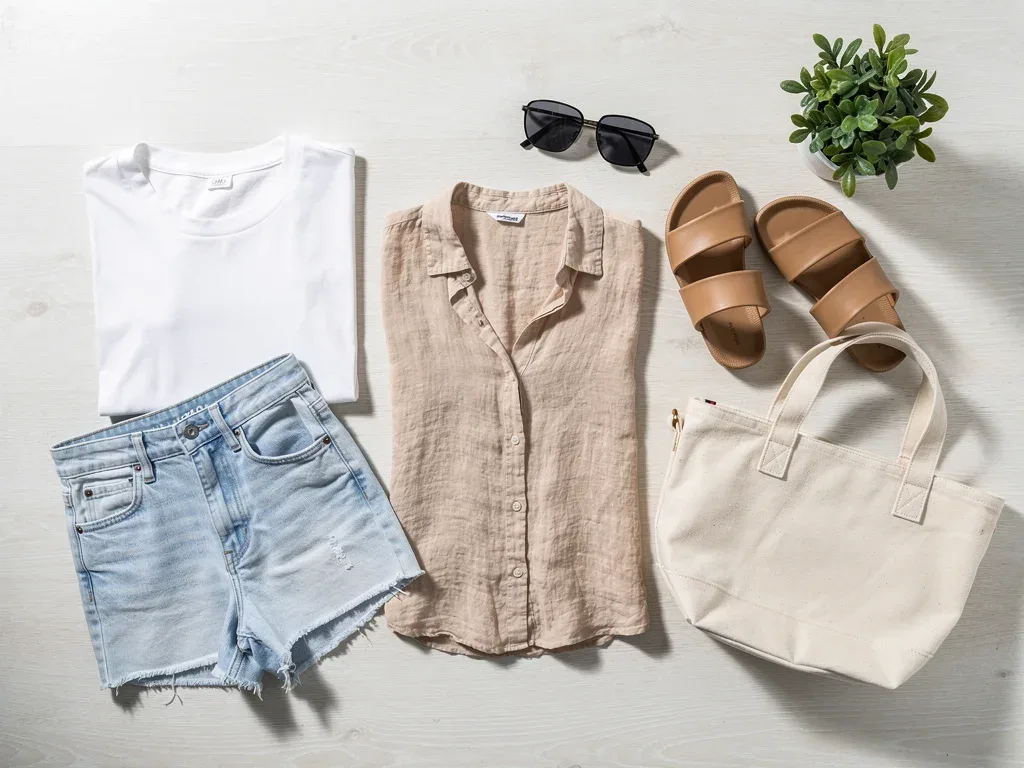
Creating Outfits From the Five Pieces
The strength of this checklist comes from compatibility, with each clothing item designed to work alongside the others instead of creating isolated combinations.
A T-shirt and shorts create the simplest outfit, while adding the button-down immediately changes proportion and provides an extra layer.
Switching footwear or adding the accessory can further alter the look without requiring a completely different set of garments.
A Simple Daytime Combination
Pair the everyday T-shirt with lightweight shorts or trousers and comfortable sandals for an uncomplicated warm-weather outfit.
Add sunglasses or another selected accessory when appropriate, keeping the combination simple enough for errands, lunch or casual activities.
The shirt can remain in a bag or tied loosely until indoor temperatures or changing weather make an additional layer useful.
Transitioning Into the Evening
When temperatures drop, the lightweight button-down can become the main outer layer without requiring a separate jacket for mild summer evenings.
Choosing the more polished footwear option from the wardrobe can also shift the outfit toward dinner or another relaxed evening setting.
This transition works because the base pieces remain neutral and compatible rather than depending on a single highly specific daytime combination.
Why Five Pieces Are a Starting Point, Not a Complete Wardrobe
The original article suggested that five pieces could generate enough combinations for an entire summer, which may be unrealistic for everyday life.
Most people will still need underwear, additional tops, sleepwear, swimwear, weather-specific items and enough clothing to accommodate laundry schedules.
The checklist works better as a foundation around which existing garments can be organized rather than a strict numerical limit on ownership.
Add Pieces According to Lifestyle
Someone working in an office may need additional trousers and polished tops, while a frequent traveler may prioritize quick-drying clothing instead.
A person living in a humid coastal area will also have different layering needs from someone experiencing dry heat and cooler evenings.
The checklist becomes more useful when it responds to these realities rather than applying the same summer wardrobe to everyone.
Fabric Care Helps Summer Clothes Last Longer
Lightweight summer fabrics can last for many seasons when washing, drying and storage follow the actual instructions provided for each garment.
Care requirements depend on dyes, finishes, blends and construction, meaning two cotton or linen garments may not tolerate identical treatment.
Always begin with the care label rather than assuming that every garment made from the same fiber should be washed the same way.
Wash According to the Garment Label
Cooler washes and gentler cycles may help some garments retain shape and color, but the manufacturer's care instructions should remain the primary reference.
Overloading the washing machine can increase friction and prevent clothing from moving freely, particularly with delicate lightweight summer pieces.
Promptly treating stains can also reduce the need for aggressive washing methods that might shorten the useful life of the fabric.
Air Drying Can Be Useful for Some Pieces
Air drying may reduce heat exposure for garments that are susceptible to shrinking, distortion or unnecessary wear in a tumble dryer.
However, drying recommendations vary by item, and some fabrics or garment structures may need different handling to maintain their intended shape.
Reshape garments gently when necessary and avoid assuming that high heat is appropriate simply because the fabric feels durable.
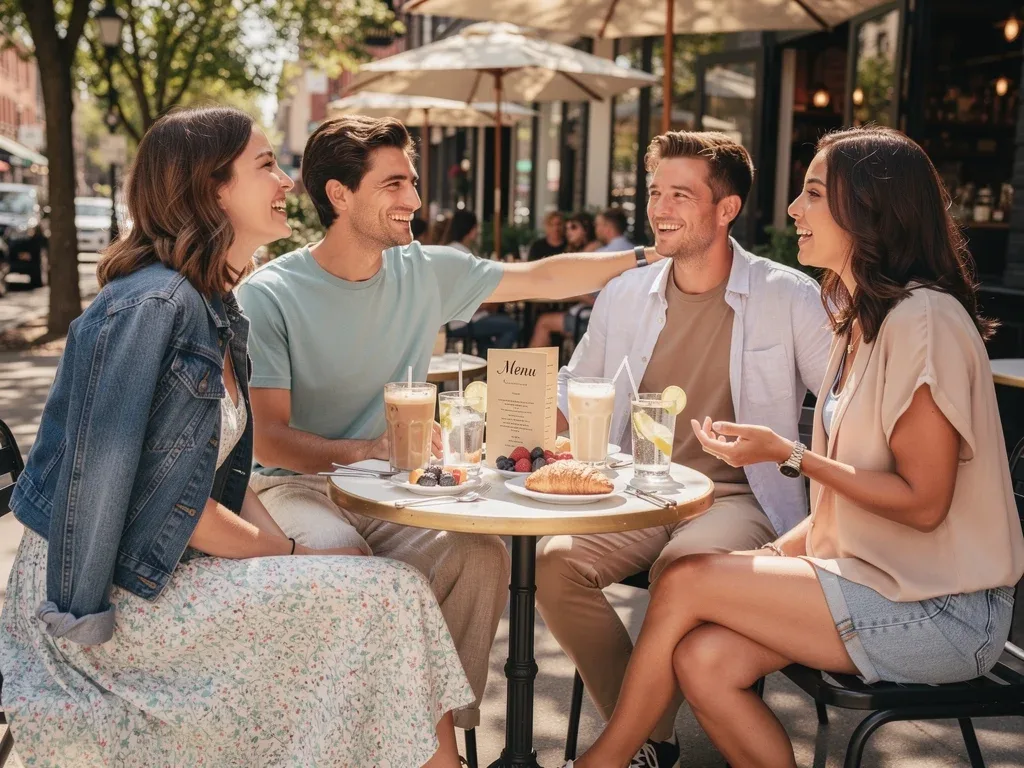
Building a More Intentional Summer Wardrobe
A smaller coordinated wardrobe can make outfit planning easier when each piece is selected according to actual use rather than hypothetical occasions.
This does not automatically make the wardrobe sustainable, because environmental impact depends on materials, manufacturing, transportation, use and eventual disposal.
However, choosing pieces that are repeatedly worn and cared for may reduce unnecessary replacement and help consumers make more deliberate purchases.
Quality Does Not Always Mean Expensive
Price alone does not prove that a garment is durable, responsibly made or suitable for repeated summer wear.
Construction quality, seams, fabric density, fit and washing requirements can provide more useful information than branding or premium positioning.
A lower-cost garment that fits well and receives frequent use can sometimes provide more practical value than a costly piece rarely worn.
Natural Fibers Are Not Automatically Sustainable
Cotton, linen and lyocell can each have different environmental impacts depending on agriculture, manufacturing, processing and supply-chain practices.
Similarly, synthetic fabrics vary significantly and may offer durability or performance advantages despite other environmental considerations associated with their production.
For shoppers concerned about sustainability, product-specific sourcing and certification information is more useful than relying on fiber category alone.
How the Checklist Supports Personal Style
A checklist should simplify choices without forcing everyone into the same white T-shirt, beige shirt and neutral sandal combination.
The underlying structure can remain identical while colors, silhouettes and accessories change significantly according to personality and existing wardrobe preferences.
This flexibility makes the framework more durable because the categories remain useful even when specific fashion trends move in another direction.
Choose a Consistent Color Direction
A small color palette makes mixing easier, but it does not need to consist only of black, white, beige or other traditional neutrals.
Someone might use navy and cream as the base while adding green, red or another favorite shade through one recurring piece.
Repeating a limited number of colors across tops, bottoms and accessories helps create combinations without requiring every garment to match exactly.
Repeat Shapes That Already Work
Understanding which rises, necklines, sleeve lengths and trouser shapes feel comfortable can make future shopping more efficient.
Instead of rebuilding personal style each season, the wearer can adapt familiar shapes through lighter fabrics and different summer colors.
This creates continuity between seasons and reduces dependence on trends that may look appealing but feel unfamiliar in everyday use.
Key Item | Function and Versatility |
|---|---|
Everyday T-Shirt | Works alone or as a simple base for summer layering. |
Lightweight Bottom | Shorts, loose trousers or a skirt provide the main outfit foundation. |
Button-Down Shirt | Adds a removable lightweight layer for changing temperatures. |
Comfortable Footwear | Supports everyday walking while coordinating with multiple outfits. |
Summer Accessory | Sunglasses, a hat or a tote adds practical function and personality. |
Frequently Asked Questions About Summer Wardrobe Essentials
What is the most useful item in a casual summer wardrobe?
A versatile base top is often one of the easiest pieces to repeat, but the most useful item depends on climate, activities and personal style.
Does a summer wardrobe need a white T-shirt?
No. White is easy to coordinate, but any neutral or frequently worn color can serve the same role if it combines well with the rest of the wardrobe.
What fabrics work well for summer clothing?
Lightweight cotton, linen, lyocell and purpose-designed performance fabrics can all work, depending on the garment construction and the wearer's needs.
Can five pieces create an entire summer wardrobe?
Not realistically for most people. The five-piece framework is better treated as a coordinated foundation rather than a complete seasonal clothing inventory.
What footwear works best for a casual summer wardrobe?
Sandals, lightweight sneakers or espadrille-inspired shoes can all work when they provide suitable comfort for the activities planned.
How can I make a summer wardrobe more intentional?
Choose garments that work with existing clothing, wear them frequently, care for them properly and avoid purchases that duplicate pieces already owned.
Are natural fibers always the most sustainable option?
No. Environmental impact depends on production methods, sourcing, durability and use, so fiber type alone does not determine overall sustainability.
Conclusion
A casual summer wardrobe checklist works best when it provides a flexible structure rather than imposing fixed garments, colors or trends.
An everyday top, lightweight bottom, button-down layer, comfortable footwear and practical accessory create a useful foundation for many summer outfits.
By choosing pieces according to climate, fit and real lifestyle needs, the wardrobe can remain comfortable, adaptable and useful beyond one season.