Avoid These 6 Casual Outfit Mistakes in 2025: Polished Solutions
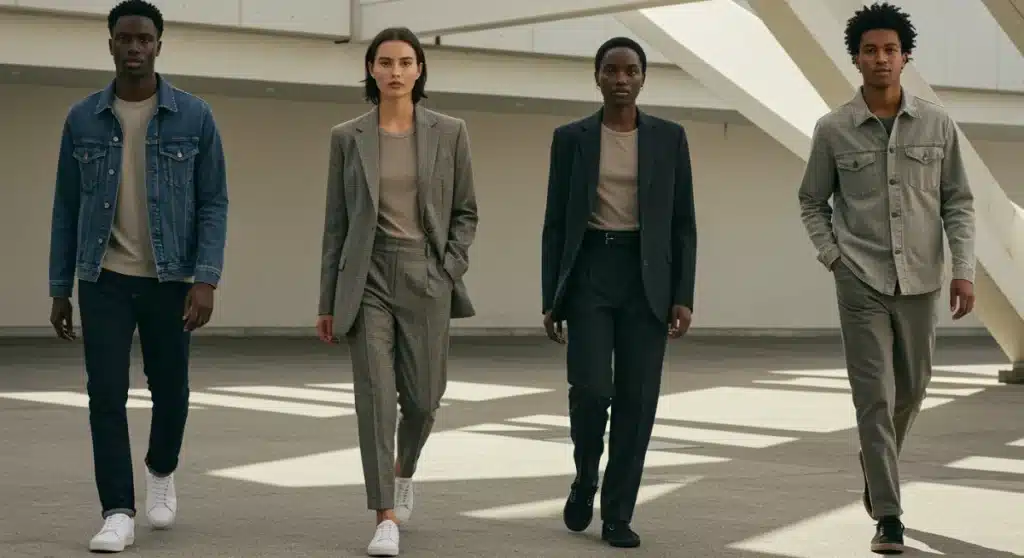
Achieving a refined everyday look involves understanding and correcting common missteps, transforming your casual wardrobe with practical, actionable solutions to ensure a consistently polished appearance.
Are you ready to elevate your everyday style? In 2025, understanding how to avoid these 6 casual outfit mistakes is key to maintaining a polished and confident appearance. This guide will walk you through common fashion faux pas and provide actionable solutions to refine your casual wardrobe, ensuring you always look your best, effortlessly.
Ignoring the Importance of Fit
One of the most pervasive casual outfit mistakes, often overlooked, is wearing ill-fitting clothing. Whether too loose or too tight, garments that don’t complement your body shape can instantly detract from an otherwise well-intentioned ensemble. The right fit is paramount to achieving a polished look, making you appear more put-together and confident.
Many individuals gravitate towards overly baggy clothes for comfort, mistakenly believing this equates to a relaxed style. However, there’s a fine line between relaxed and sloppy. Similarly, clothes that are too tight can create unflattering bulges and restrict movement, sacrificing comfort for an ill-conceived notion of sleekness. Paying attention to how your clothes drape and contour your body is the first step towards rectifying this common error.
Understanding Your Body Shape
Knowing your body shape is crucial for selecting clothes that fit well. While there are general guidelines, personal preference and comfort also play significant roles. Take the time to measure yourself and consult sizing charts, but also consider how a garment feels and looks on your unique frame. A tailor can be an invaluable resource for minor adjustments that make a major difference.
- Hourglass: Emphasize your waistline with fitted tops and bottoms.
- Pear: Balance wider hips with tops that add volume to your upper body.
- Apple: Opt for empire waistlines and A-line silhouettes to skim over your midsection.
- Rectangle: Create curves with ruffles, belts, and layered pieces.
The Tailoring Advantage
Even off-the-rack clothing can be transformed with a few simple alterations. Hemming pants to the correct length, taking in the waist of a skirt, or adjusting the sleeves of a jacket can elevate a garment from passable to perfect. This small investment can significantly improve the overall appearance and longevity of your wardrobe, ensuring every piece looks custom-made for you.
Ultimately, a well-fitting outfit communicates attention to detail and self-respect. It’s not about adhering to strict fashion rules, but rather understanding how clothes can enhance your natural physique and project an image of effortless sophistication. Prioritizing fit is a foundational step in avoiding casual outfit mistakes and building a versatile, stylish wardrobe.
Underestimating the Power of Accessories
Another common casual outfit mistake involves neglecting the transformative power of accessories. Many view accessories as mere afterthoughts, yet they are the crucial elements that can elevate a simple outfit from basic to brilliant. A well-chosen accessory can add personality, sophistication, and a focal point to your look, tying everything together harmoniously.
The absence of accessories often leaves an outfit feeling incomplete and uninspired. Conversely, over-accessorizing can lead to a cluttered and overwhelming appearance. The key lies in strategic selection and balance, understanding that less can often be more, and each piece should serve a purpose in enhancing your overall aesthetic.
Choosing the Right Statement Pieces
A single, impactful accessory can often do more than several smaller, less significant ones. Consider a stylish watch, a statement necklace, a chic scarf, or an interesting belt. These items draw the eye and can instantly upgrade a plain t-shirt and jeans combination. The goal is to select pieces that reflect your personal style while complementing the color palette and mood of your outfit.
- Bold Jewelry: A chunky necklace or oversized earrings can transform a simple dress.
- Structured Handbags: A well-designed bag adds a touch of sophistication to any casual look.
- Stylish Eyewear: Sunglasses can be both functional and a powerful fashion statement.
- Layered Necklaces: Create visual interest with varying lengths and styles.
Balancing Function and Fashion
Accessories aren’t just for aesthetics; many also serve practical purposes. A high-quality belt can define your waist, a comfortable yet stylish pair of shoes can make a long day more enjoyable, and a versatile scarf can provide warmth while adding a pop of color. When choosing accessories, consider both their visual impact and their utility to ensure they enhance your outfit in multiple ways.
By consciously incorporating accessories into your casual outfits, you move beyond mere clothing to create a cohesive and thoughtful personal style. This attention to detail is what distinguishes a truly polished look from one that simply covers the body, demonstrating an understanding of fashion that extends beyond the basics.
Ignoring the Importance of Fabric Quality
One of the most subtle yet impactful casual outfit mistakes is overlooking fabric quality. While it might seem less obvious than fit or accessories, the material of your clothing profoundly affects its appearance, drape, and longevity. Cheap, flimsy fabrics can make even a well-designed garment look less expensive and less polished, regardless of its style.
In contrast, investing in higher-quality fabrics like cotton, linen, wool, or silk, even for casual wear, elevates your entire ensemble. These materials tend to hold their shape better, resist wrinkling more effectively, and often feel more comfortable against the skin. They also contribute to a more luxurious and refined aesthetic that is instantly noticeable.
Understanding Fabric Types
Educating yourself about different fabric types can significantly improve your wardrobe choices. Natural fibers generally offer better breathability and durability. Blends can also be excellent, combining the best properties of various materials, such as cotton-spandex for comfort and stretch, or wool-cashmere for softness and warmth.
- Cotton: Versatile, breathable, and durable for everyday wear.
- Linen: Ideal for warm weather, offering a relaxed yet sophisticated texture.
- Tencel/Lyocell: Sustainable, soft, and drapes beautifully, perfect for modern casual.
- Merino Wool: Excellent for temperature regulation, soft, and odor-resistant.
The Long-Term Value of Quality
While higher-quality fabrics might come with a steeper upfront cost, they often prove to be more economical in the long run. Garments made from better materials tend to withstand more washes and wears without losing their shape, color, or texture. This means you’ll replace items less frequently, reducing both waste and expenditure over time.
Prioritizing fabric quality demonstrates a discerning eye and a commitment to a sophisticated casual style. It’s about building a wardrobe that not only looks good today but continues to perform and appear polished for seasons to come. This focus on material is a hallmark of truly timeless and elegant casual dressing.
Overlooking the Impact of Footwear
A frequently committed casual outfit mistake is underestimating the critical role of footwear. Shoes are not merely functional items; they are foundational elements that can make or break an entire look. An otherwise perfectly curated outfit can be instantly downgraded by inappropriate, worn-out, or poorly chosen shoes, signaling a lack of attention to detail.
Conversely, the right pair of shoes can elevate even the simplest ensemble, adding a touch of sophistication, personality, or a trendy edge. It’s about understanding that footwear should complement the overall aesthetic of your outfit, ensuring harmony from head to toe. The condition of your shoes also speaks volumes; scuffed or dirty footwear can undermine the cleanest attire.
Matching Footwear to Occasion and Outfit
The context of your casual outing should heavily influence your shoe choice. While sneakers are a staple of casual wear, not all sneakers are created equal. A sleek, minimalist pair differs greatly from athletic performance shoes. Similarly, loafers, stylish boots, or even elegant sandals can instantly transform a casual look, pushing it towards smart-casual or even business-casual territory.
- Clean White Sneakers: A versatile choice that pairs well with almost anything, from jeans to casual dresses.
- Stylish Loafers: Elevate chinos or tailored shorts for a refined casual vibe.
- Ankle Boots: Add an edgy or sophisticated touch to denim and knitwear.
- Minimalist Sandals: Perfect for warm weather, offering comfort and understated elegance.
Maintaining Your Footwear
Beyond selection, the upkeep of your shoes is paramount. Regularly cleaning and polishing your footwear ensures they always look their best. Replacing worn-out laces, getting heels repaired, or treating scuffs can extend the life of your shoes and maintain their pristine appearance. This simple habit reflects a meticulous approach to personal presentation.
By giving footwear the attention it deserves, you avoid a common pitfall that can sabotage an otherwise strong casual outfit. Thoughtful shoe choices and proper maintenance are essential components of a truly polished and cohesive personal style, reinforcing the idea that every detail matters.
Neglecting Proper Color Coordination
One of the more visually jarring casual outfit mistakes is poor color coordination. While casual wear offers more freedom, a chaotic mix of clashing colors can create an unharmonious and unsettling appearance. Effective color coordination, even in casual settings, demonstrates an understanding of aesthetics and contributes significantly to a polished and sophisticated look.
This doesn’t mean sticking to only neutrals, but rather understanding how different colors interact and complement each other. A well-coordinated palette can make an outfit feel intentional and sophisticated, even if the individual pieces are very simple. Conversely, ignoring color principles can make an outfit look haphazard and unflattering.
Understanding Color Theory Basics
A basic grasp of color theory can be incredibly helpful. Analogous colors (next to each other on the color wheel) create a harmonious, low-contrast look, while complementary colors (opposite on the wheel) offer a vibrant, high-contrast effect when used strategically. Monochromatic schemes, using different shades and tints of the same color, always look chic and put-together.
- Monochromatic: Different shades of a single color (e.g., light blue shirt, navy jeans).
- Analogous: Colors adjacent on the color wheel (e.g., blue, green, and teal).
- Neutral Base: Build outfits around black, white, gray, beige, and navy, then add pops of color.
- Accent Color: Use a single bright color to draw attention to a specific item or area.
The Role of Neutrals and Textures
Neutrals are your best friends in casual wear, providing a solid foundation for any outfit. They allow you to introduce bolder colors or patterns without overwhelming the eye. Furthermore, mixing textures within a coordinated color scheme can add depth and interest without relying on excessive color. For instance, pairing a chunky knit sweater with sleek leather pants in similar tones creates a rich visual experience.
By consciously approaching color coordination, you transform your casual outfits from a random collection of items into a thoughtfully constructed ensemble. This attention to detail elevates your style, making you appear more refined and confident, and effectively avoiding one of the most common casual outfit mistakes.
Forgetting the Importance of Grooming
Perhaps the most critical, yet frequently overlooked, casual outfit mistake has nothing to do with the clothes themselves: it’s the neglect of personal grooming. An impeccable outfit can be completely undermined by unkempt hair, chipped nails, or a general lack of personal care. Grooming is the invisible accessory that profoundly impacts how your entire look is perceived.
A polished appearance extends beyond your clothing to encompass your overall presentation. It communicates self-respect and attention to detail, signaling that you take pride in how you present yourself to the world. Even in the most casual settings, a well-groomed individual stands out and exudes an air of confidence and professionalism.
Hair and Skin Care Essentials
Maintaining clean, styled hair that suits your face shape is fundamental. This doesn’t necessarily mean elaborate styling; a neat, well-maintained cut can be incredibly impactful. Similarly, healthy skin, achieved through a simple skincare routine, contributes to a fresh and vibrant appearance. These elements form the canvas upon which your outfit is displayed.
- Regular Haircuts: Keep your hair tidy and in a style that complements your features.
- Clean Nails: Manicured hands, whether polished or natural, convey attention to detail.
- Hydrated Skin: A basic skincare routine can significantly improve your complexion.
- Subtle Fragrance: A light, pleasant scent can enhance your overall presence.
The Role of Cleanliness and Ironing
It goes without saying that clean clothes are essential. However, beyond just being clean, ensuring your casual garments are free of wrinkles and stains elevates their appearance immensely. A neatly ironed t-shirt or crisp jeans instantly look more expensive and intentional than their wrinkled counterparts. This small effort makes a significant difference in projecting a polished image.
Ultimately, neglecting grooming is a missed opportunity to complete your casual look effectively. By prioritizing personal care, you create a cohesive and refined presentation that complements your chosen attire, ensuring you always project an image of effortless style and confidence, regardless of the casualness of your outfit.
| Casual Mistake | Polished Solution |
|---|---|
| Ill-Fitting Clothes | Prioritize tailoring and understand your body shape for optimal fit. |
| Lack of Accessories | Incorporate strategic, quality accessories to add personality and polish. |
| Poor Fabric Quality | Invest in durable, high-quality fabrics for better drape and longevity. |
| Neglected Grooming | Maintain personal hygiene and neatness for an overall polished presentation. |
Frequently Asked Questions About Casual Outfits
The biggest mistakes include wearing ill-fitting clothes, neglecting accessories, choosing poor fabric quality, overlooking footwear, failing at color coordination, and ignoring personal grooming. Addressing these areas can significantly elevate your casual style and achieve a more polished look.
To ensure a good fit, understand your body measurements and shape. Don’t hesitate to use a tailor for minor adjustments like hemming or taking in seams. Always try on clothes before buying and move around in them to check for comfort and proper drape.
Strategic accessories like a quality watch, a stylish belt, a chic handbag, a statement necklace, or a well-chosen scarf can instantly upgrade a casual look. The key is to select pieces that complement your outfit without overwhelming it, adding personality and polish.
Fabric quality affects how long clothes last, how they drape on your body, and their overall appearance. Higher-quality materials like cotton, linen, or Tencel resist wrinkling, hold shape better, and often feel more comfortable, contributing to a more refined and expensive look.
Grooming is crucial as it completes your overall presentation. Clean, styled hair, neat nails, healthy skin, and fresh-smelling clothes significantly enhance how your outfit is perceived. A well-groomed appearance signals attention to detail and confidence, elevating even the simplest casual attire.
Conclusion
Mastering casual style in 2025 is about more than just throwing on comfortable clothes; it’s about intentionality and attention to detail. By consciously avoiding common casual outfit mistakes related to fit, accessories, fabric quality, footwear, color coordination, and grooming, you can effortlessly cultivate a polished and confident aesthetic. These practical solutions are not about following rigid rules, but about understanding how each element contributes to a cohesive and refined personal image, ensuring you always look your best, no matter the occasion.