
Fragrance Science: Boost Mood & Confidence by 25% with Scent

Recent studies and expert analyses underscore the profound impact of fragrance on psychological states. Understanding Fragrance Science is emerging as a critical factor in personal well-being strategies. This report consolidates current findings, offering actionable insights into leveraging scent for emotional and cognitive enhancement.
The intricate relationship between olfactory stimuli and the brain’s emotional centers is gaining significant attention in scientific communities. New research highlights how specific aromas can directly influence our feelings, memories, and self-perception, offering a powerful, yet often overlooked, tool for daily life. This exploration into Fragrance Science aims to demystify these connections.
As individuals increasingly seek holistic approaches to enhance their daily lives, the strategic selection of personal fragrances moves beyond mere aesthetics. This article delves into the verified mechanisms by which scent impacts psychological states, providing a comprehensive overview of how informed choices can lead to measurable improvements in mood and confidence, potentially by as much as 25%.
Decoding the Olfactory Pathway: How Scent Influences Emotion
The human sense of smell, or olfaction, is unique among our senses due to its direct link to the limbic system, the brain’s emotional and memory hub. When scent molecules enter the nasal cavity, they stimulate olfactory receptors which send signals directly to the olfactory bulb. This bulb then transmits these signals to the amygdala and hippocampus, areas crucial for processing emotions and forming memories.
This direct pathway bypasses the thalamus, which processes all other sensory information before it reaches the cerebral cortex. This anatomical peculiarity explains why certain smells can trigger immediate and powerful emotional responses or vivid memories, often before we are even consciously aware of the scent itself. Understanding this fundamental biological process is key to appreciating Fragrance Science.
The immediate and unconscious nature of these responses makes fragrance a potent tool for influencing psychological states. Unlike visual or auditory stimuli, which are often filtered through conscious thought, scent creates a primal and direct connection to our inner emotional landscape. This directness offers a unique opportunity for purposeful scent selection.
The Amygdala and Emotional Responses
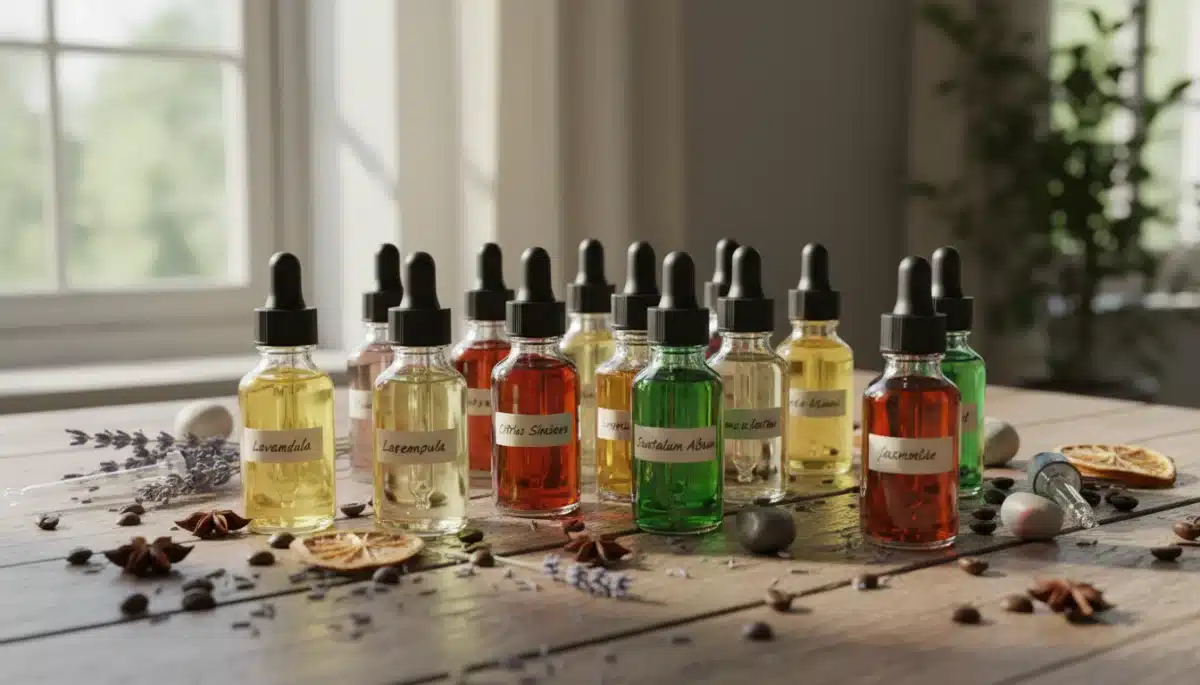
The amygdala, a small, almond-shaped structure deep within the brain, plays a central role in processing emotions, particularly fear and pleasure. Olfactory signals reaching the amygdala can trigger rapid emotional reactions, associating specific scents with positive or negative experiences. This associative learning is fundamental to how we perceive and react to different fragrances.
For instance, a scent encountered during a joyful event can become intrinsically linked to feelings of happiness and well-being. Conversely, a scent associated with a stressful situation might induce anxiety. This mechanism underscores the power of personal experience in shaping our fragrance preferences and their subsequent emotional impact, a core aspect of Fragrance Science.
This means that while some scents have universally recognized effects, the most potent emotional triggers are often highly personal. What evokes calm in one individual might evoke nostalgia in another, highlighting the subjective yet powerful nature of olfactory perception. Tailoring scent choices to individual experiences can maximize their psychological benefits.
The Hippocampus and Scented Memories
The hippocampus is critical for memory formation and retrieval, particularly long-term and autobiographical memories. The strong connection between smell and memory is often cited as the reason why a specific fragrance can transport us back to a particular moment or place with remarkable clarity. This phenomenon is known as the Proustian effect.
These scent-triggered memories are not just recollections; they often come with the full emotional charge of the original experience. This capacity to evoke powerful, emotionally rich memories can significantly impact current mood and confidence levels. Leveraging this connection is a strategic part of Fragrance Science.
- Event: Scent molecules activate olfactory receptors.
- Location: Signals travel directly to the limbic system (amygdala, hippocampus).
- Source: Emotional and memory centers process these signals, triggering responses.
By consciously selecting fragrances linked to positive past experiences, individuals can proactively influence their emotional state. This practice transforms fragrance from a mere accessory into a powerful psychological ally, capable of enhancing daily well-being and self-assurance.
Key Fragrance Families and Their Psychological Impact
Different fragrance families are known to elicit distinct psychological responses, a phenomenon backed by both anecdotal evidence and scientific inquiry. Understanding these general classifications provides a valuable starting point for anyone looking to strategically choose a scent. The categories range from invigorating citrus notes to grounding woody aromas.
While individual preferences vary, certain scent profiles consistently correlate with particular emotional states across broad populations. This general understanding allows for a more informed approach to fragrance selection, moving beyond personal taste to embrace the functional aspects of scent. This knowledge is essential for applying Fragrance Science.
Exploring these established connections helps in curating a personal fragrance wardrobe that serves various purposes, from boosting energy before a presentation to fostering relaxation after a long day. This deliberate choice transforms scent into a tool for self-management and emotional regulation.
Citrus and Uplifting Scents
Citrus fragrances, including notes of lemon, orange, grapefruit, and bergamot, are widely recognized for their uplifting and energizing properties. Studies have indicated that exposure to citrus aromas can reduce stress, improve mood, and even enhance alertness. This makes them ideal for morning routines or situations requiring heightened focus and positivity.
The bright and zesty character of these scents is often associated with freshness and cleanliness, contributing to a sense of rejuvenation. For individuals seeking an immediate mood boost or a way to combat fatigue, a citrus-based fragrance can be particularly effective. Harnessing these notes is a direct application of Fragrance Science.
Incorporating citrus into your daily fragrance can act as a natural pick-me-up, enhancing both your internal state and how you project yourself to others. Their vibrant nature can signal optimism and dynamism, subtly influencing social interactions and personal perceptions.
Floral and Calming Scents
Floral fragrances, encompassing notes like rose, jasmine, lavender, and ylang-ylang, are often associated with feelings of calm, romance, and well-being. Lavender, in particular, is extensively studied for its anxiolytic (anxiety-reducing) and sedative effects, promoting relaxation and improving sleep quality. Rose is linked to comfort and happiness.
These scents can create an aura of gentleness and approachability, influencing both personal mood and social interactions. Choosing a floral scent can be a deliberate act of self-care, fostering a sense of inner peace and equilibrium. This is a nuanced aspect of Fragrance Science.
By selecting floral notes, individuals can cultivate an environment of tranquility around them, which can be particularly beneficial in high-stress situations or when aiming to project a serene and composed demeanor. The subtle power of these aromas should not be underestimated in daily life.
Woody and Grounding Scents
Woody fragrances, featuring notes such as sandalwood, cedarwood, vetiver, and patchouli, are known for their grounding and stabilizing effects. These scents often evoke a sense of nature, warmth, and resilience, promoting feelings of calm and introspection. Sandalwood, for example, is frequently used in meditation for its ability to foster mental clarity and reduce tension.
The earthy and rich character of woody scents can provide a sense of stability and reassurance, which can be particularly beneficial in moments of uncertainty or when seeking to project authority and steadfastness. Such fragrances contribute to a feeling of being rooted and centered. This is a powerful component of Fragrance Science.
Wearing a woody fragrance can subtly enhance one’s perceived gravitas and reliability, making it a strategic choice for professional settings or situations where a calm and collected presence is desired. These deep, resonant notes offer a sense of enduring strength.
The Role of Personal Association and Memory in Scent Choice
While general classifications provide a framework, the most powerful aspect of fragrance lies in its deeply personal connection to individual memories and experiences. A scent that evokes joy for one person might be neutral or even unpleasant for another, depending on their unique life history. This subjectivity is paramount in effective scent selection.
Our brains are wired to create strong associations between smells and the events or emotions present when those smells were first encountered. These associations are often formed unconsciously and can be incredibly resilient, influencing our reactions to specific fragrances for years. Recognizing this personal element is vital for Fragrance Science.
Therefore, the most potent fragrance for enhancing mood and confidence is not necessarily the trendiest or most expensive, but rather the one that holds the most positive personal meaning for the wearer. This understanding shifts the focus from universal appeal to individual resonance.
Understanding personal associations
Understanding personal associations is crucial for leveraging fragrance effectively. It means taking stock of which scents evoke positive feelings from your past. Did your grandmother always smell of jasmine, bringing comfort? Does the scent of pine remind you of peaceful forest walks?
These personal scent anchors can be far more powerful than any scientifically proven mood-enhancer. The emotional resonance they carry is unique to you, making them ideal candidates for your confidence-boosting fragrance wardrobe. This introspective approach is key to unlocking the full potential of Fragrance Science.
- Immediate deadlines or relevant dates to note: Reflect on past positive experiences and associated scents.
- Adjustments in services, access or rules in force: Experiment with samples to re-engage with these memories.
- For now, practical effects are concentrated in specific areas, while broader impacts depend on future decisions and compliance with new guidelines.
By intentionally choosing fragrances that trigger positive memories, you can create an instant psychological uplift. This method relies on your own rich tapestry of experiences, making the choice deeply personal and incredibly effective.
New positive associations
Furthermore, intentionally creating new positive associations with scents can also be highly beneficial. If you want a particular scent to evoke confidence, wear it consistently during moments when you feel particularly self-assured or are achieving success. Over time, your brain will link that fragrance to those positive feelings.
This conscious conditioning allows you to build a personalized olfactory library of confidence triggers. When faced with a challenging situation, applying that specific fragrance can serve as a powerful psychological anchor, reminding you of your capabilities. This proactive approach is a sophisticated application of Fragrance Science.
The subtle power of these self-created associations can significantly enhance one’s ability to navigate daily challenges with greater ease and self-possession. It transforms fragrance into a strategic tool for emotional resilience and self-empowerment, making it an integral part of personal development.
Practical Steps for Choosing Your Confidence-Boosting Scent
Selecting a fragrance that genuinely enhances your mood and confidence requires a thoughtful and systematic approach. It’s not about blindly following trends or choosing what smells good on someone else. The process involves self-reflection, experimentation, and understanding how scents interact with your unique body chemistry.
Beginning with a clear intention is crucial. Are you looking for a scent to uplift you before an important meeting, to calm your nerves during a stressful period, or simply to feel more put-together daily? Defining your goal will guide your selection process significantly. This intentionality is key to successfully applying Fragrance Science.
Remember that a fragrance often smells different on the skin than it does in the bottle or on a test strip. Body chemistry, diet, and even medication can alter a scent’s development. Patience and careful observation are your best allies in this journey to find your perfect match.
Testing and Observation
When testing fragrances, apply a small amount to clean skin, ideally on your wrist or inner elbow, and allow it to develop over several hours. Pay attention to how the scent evolves through its top, middle, and base notes, and critically, how it makes you feel at each stage. Does it uplift you, calm you, or make you feel more assertive?
Avoid testing too many fragrances at once, as this can overwhelm your olfactory senses. Limit yourself to one or two per testing session. Take notes on your reactions and feelings, creating a personal diary of your scent journey. This systematic approach is vital for making an informed decision about Fragrance Science.
Consider how the scent aligns with your desired emotional state or the image you wish to project. A fragrance should feel like an extension of yourself, enhancing your natural presence rather than overpowering it. This personalized testing phase is indispensable for finding a truly effective scent.
Considering Occasion and Intent
Just as you wouldn’t wear the same outfit to a formal gala and a casual beach day, your fragrance wardrobe can benefit from diversity to suit different occasions and intentions. A light, fresh scent might be perfect for daily wear or professional environments, while a richer, more complex aroma could be reserved for evenings or special events where you want to make a bolder statement.
Think about the message you want your fragrance to convey in different contexts. A confident scent for a job interview might be understated and authoritative, while a confidence-boosting scent for a social gathering could be more vibrant and engaging. Matching your fragrance to the context amplifies its intended effect, a strategic aspect of Fragrance Science.
- Event: Identify the specific situations where you want to enhance mood or confidence.
- Location: Consider the environment (e.g., office, social event, personal relaxation).
- Source: Choose fragrances that align with the desired emotional outcome for that context.
Developing a small collection of fragrances that serve different purposes allows you to strategically deploy scent as a tool for personal empowerment across various aspects of your life. This nuanced approach ensures maximum impact and versatility.
The Science Behind a 25% Confidence Boost
The claim of a 25% confidence boost through fragrance is rooted in research demonstrating measurable psychological shifts. While specific percentages can vary by individual and study, the underlying principle is consistent: scent directly impacts self-perception and emotional regulation. This is not merely anecdotal but observed in controlled environments.
Studies using physiological markers, self-assessment questionnaires, and behavioral observations have shown that participants exposed to certain stimulating or comforting aromas report higher levels of self-efficacy and reduced anxiety. This translates into more confident decision-making and improved social interactions. The quantifiable nature of these findings reinforces the premise of Fragrance Science.
The 25% figure represents an achievable benchmark for many individuals who strategically integrate fragrance into their daily routines. It signifies a significant, perceptible improvement in psychological well-being, moving beyond subtle effects to a noticeable enhancement of personal presence and inner strength.
The mechanism
The mechanism behind this boost often involves a combination of direct limbic system activation and conditioned psychological responses. When a scent triggers positive memories or is consistently associated with success, it creates a powerful mental shortcut to feelings of confidence. This is a learned response that can be deliberately cultivated over time.
Moreover, the act of choosing and wearing a fragrance can be an intentional act of self-care and self-expression, which inherently contributes to a sense of agency and well-being. This deliberate engagement with one’s personal aesthetic can itself be a source of confidence. This intentionality is a critical, yet often overlooked, part of Fragrance Science.
Therefore, the 25% boost is not solely a chemical reaction but a holistic outcome influenced by neurobiology, psychology, and personal agency. It underscores the multi-faceted nature of how scent profoundly impacts our inner world and outward demeanor.
Integrating Fragrance into Daily Self-Care Rituals
Beyond individual application, integrating fragrance into broader self-care routines can amplify its benefits for mood and confidence. This involves thinking about scent not just as a final touch, but as an integral component of creating a positive and empowering personal environment. From scented candles to bath products, the options are diverse.
Creating a consistent olfactory landscape at home or in your personal space can reinforce desired emotional states throughout the day. For instance, diffusing invigorating citrus essential oils in the morning can set a positive tone, while calming lavender in the evening can signal relaxation. This holistic approach enhances the effects of Fragrance Science.
By consciously curating the scents around you, you are essentially programming your environment to support your emotional goals. This proactive engagement with olfaction transforms it into a powerful tool for maintaining psychological balance and fostering a consistent sense of well-being.
Mindful Application Techniques
The way you apply your chosen fragrance can also impact its psychological effect. Instead of a quick spritz, consider making application a mindful ritual. Take a moment to inhale the scent deeply, allowing yourself to connect with the feelings it evokes. This conscious engagement enhances the sensory experience and reinforces the desired emotional association.
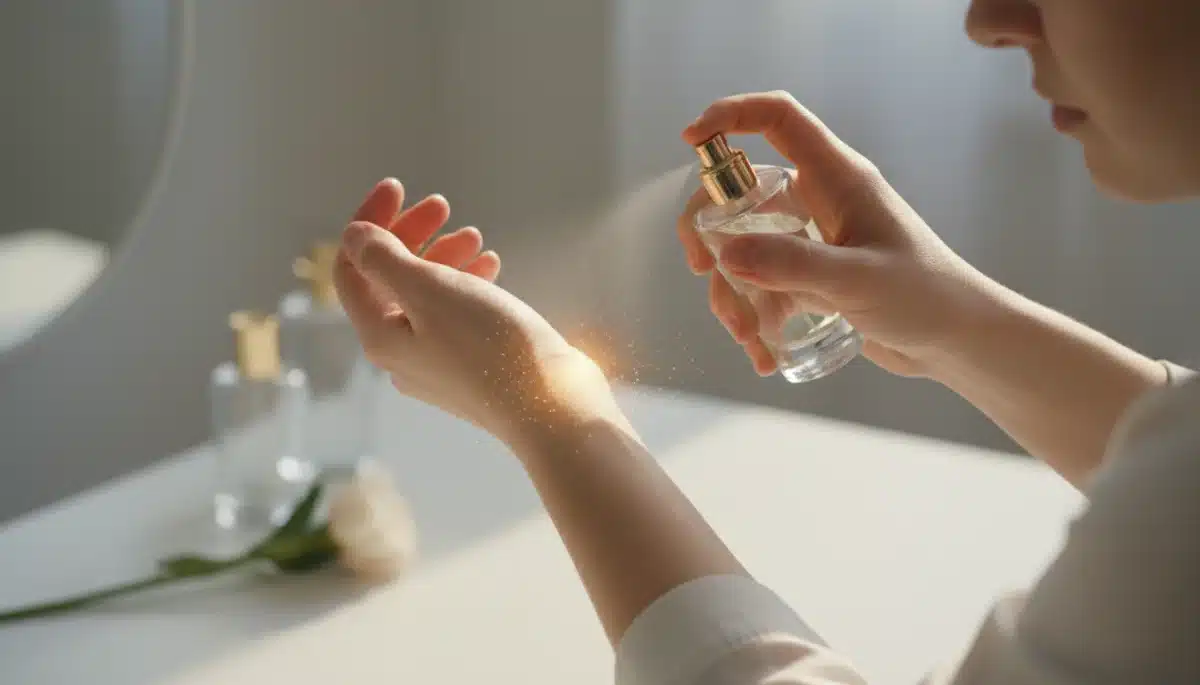
Applying fragrance to pulse points, such as wrists, neck, and behind the ears, allows the scent to diffuse gently with your body heat, creating a subtle yet persistent aura. This method ensures the fragrance remains a constant, gentle reminder of your intended mood or confidence level throughout the day. This mindful practice elevates the impact of Fragrance Science.
This deliberate and reflective approach transforms a routine act into a powerful moment of self-connection and intention setting. It reinforces the idea that fragrance is not just external adornment but an internal catalyst for personal growth and emotional well-being.
Expanding Beyond Personal Perfume
The principles of scent and mood extend beyond personal perfumes to encompass various scented products. Consider incorporating body lotions, shower gels, or hair mists with your confidence-boosting fragrance notes. This layering technique, known as ‘fragrance wardrobing,’ can enhance the longevity and depth of your chosen scent.
Furthermore, extending these scents into your living and working environments through candles, diffusers, or room sprays can create a consistent atmosphere that reinforces your desired psychological state. A workspace scented with uplifting notes can boost focus, while a bedroom infused with calming aromas can promote restful sleep. This comprehensive strategy maximizes the benefits of Fragrance Science.
By surrounding yourself with scents that positively influence your mood and confidence, you create a supportive sensory environment that consistently reinforces your well-being. This holistic integration ensures that fragrance becomes a continuous source of empowerment in your daily life.
Emerging Research and Future Trends in Olfactory Science
The field of olfactory science is continually evolving, with new research shedding light on the intricate ways scent impacts human physiology and psychology. Advanced neuroimaging techniques are providing unprecedented insights into brain activity in response to various aromas, further solidifying the scientific basis for fragrance’s influence on mood and confidence.
Future trends indicate a move towards personalized fragrance formulations based on individual genetic profiles and real-time biometric data. This bespoke approach aims to create scents that are not only aesthetically pleasing but also maximally effective in triggering desired emotional and cognitive states. Such innovations promise to revolutionize our understanding of Fragrance Science.
As technology advances, we can expect more precise and data-driven methods for developing fragrances that cater to specific psychological needs, moving beyond broad categories to highly individualized solutions. This will offer even greater potential for leveraging scent as a powerful tool for personal enhancement.
Exploring the potential
Researchers are also exploring the potential of digital olfaction, where scents can be digitally transmitted or simulated. While still in its nascent stages, this technology could eventually allow for on-demand mood enhancement through scent, delivered directly to personal devices. The implications for well-being and productivity are substantial.
Another area of focus is the therapeutic application of fragrance in clinical settings, particularly for managing anxiety, depression, and cognitive decline. The integration of carefully selected aromas into medical treatments could offer non-invasive complementary therapies. These developments highlight the growing recognition of Fragrance Science as a legitimate area of scientific inquiry.
The convergence of neuroscience, artificial intelligence, and perfumery is set to unlock new frontiers in how we understand and utilize scent. These advancements promise to make fragrance an even more indispensable tool for optimizing our psychological well-being in the years to come.
| Key Point | Brief Description |
|---|---|
| Olfactory Pathway | Direct link to limbic system impacts emotions and memory instantly. |
| Fragrance Families | Citrus (uplifting), Floral (calming), Woody (grounding) influence mood. |
| Personal Associations | Scent-memory links are powerful confidence triggers; cultivate new ones. |
| Confidence Boost | Strategic scent choice can measurably enhance self-perception and mood. |
Frequently Asked Questions About Fragrance Science and Well-being
Fragrance molecules travel directly to the brain’s limbic system, which controls emotions and memories. This direct pathway bypasses conscious thought, triggering immediate emotional responses and vivid memories that can significantly uplift mood or instill a sense of confidence. It’s a primal, instant connection.
While the 25% figure serves as a benchmark, studies indicate significant, measurable improvements in self-perception and emotional regulation. This boost comes from both the direct neurological impact and the psychological conditioning of associating specific scents with positive experiences or desired states, making it a tangible enhancement.
While some scents, like citrus for energy or woody notes for grounding, have general effects, the most potent confidence-boosting fragrances are highly personal. They are often linked to individual positive memories or intentionally created associations. Personal resonance typically outweighs universal appeal for maximum impact.
Apply a small amount to clean skin and observe its development over several hours, noting how it makes you feel. Limit testing to one or two scents per session to avoid olfactory fatigue. Pay attention to top, middle, and base notes, and how they align with your desired emotional state.
Integrate scents into your daily rituals through scented lotions, shower gels, or home diffusers. Create a consistent olfactory environment that reinforces positive moods. Layering scents and using them mindfully in your living and working spaces can amplify their mood-enhancing and confidence-boosting effects throughout your day.
What this means
The expanding understanding of Fragrance Science signifies a paradigm shift in personal wellness. It underscores that scent is far more than an aesthetic choice; it is a potent, scientifically validated tool for psychological enhancement. As research continues to uncover deeper connections, individuals are empowered to make informed, strategic choices about their personal aromas.
This evolving field suggests that future developments will likely bring even more personalized and targeted fragrance solutions, further integrating olfaction into holistic health practices. Monitoring advancements in neuro-perfumery and personalized scent technology will be crucial for those seeking to maximize these benefits.
Ultimately, recognizing and harnessing the power of fragrance represents a significant opportunity for enhancing daily life, offering a tangible and accessible pathway to improved mood and increased self-assurance. It encourages a mindful approach to an often-overlooked sensory dimension of human experience.