Holiday Scent Pairings: 6 Festive Blends for Winter 2026 Celebrations
Advertisements
Holiday Scent Pairings explores six seasonal fragrance combinations—blending citrus, spice, woods, gourmand notes, herbs, and resins—to create custom home atmospheres.
Moving beyond single traditional Christmas scents, these flexible combinations offer practical ways to refresh your space using candles, reed diffusers, or smart diffusers tailored to personal preference and room size.
The Evolving Landscape of Holiday Aromas for 2026
Seasonal home fragrance in 2026 continues to extend beyond basic pine or cinnamon. Retail and editorial selections increasingly combine woods, resins, fruits, spices and gourmand notes to create more layered winter fragrance profiles.
This variety gives homeowners more flexibility when choosing an atmosphere. A citrus-and-spice blend can feel lively and traditional, while amber, cedar or frankincense can create a darker and more grounded impression.
There is no single authoritative list defining the holiday scents of 2026, however. Fragrance preferences remain subjective, so the most useful approach is to select complementary notes and adjust their intensity to the space.
The Rise of Layered Scent Blending
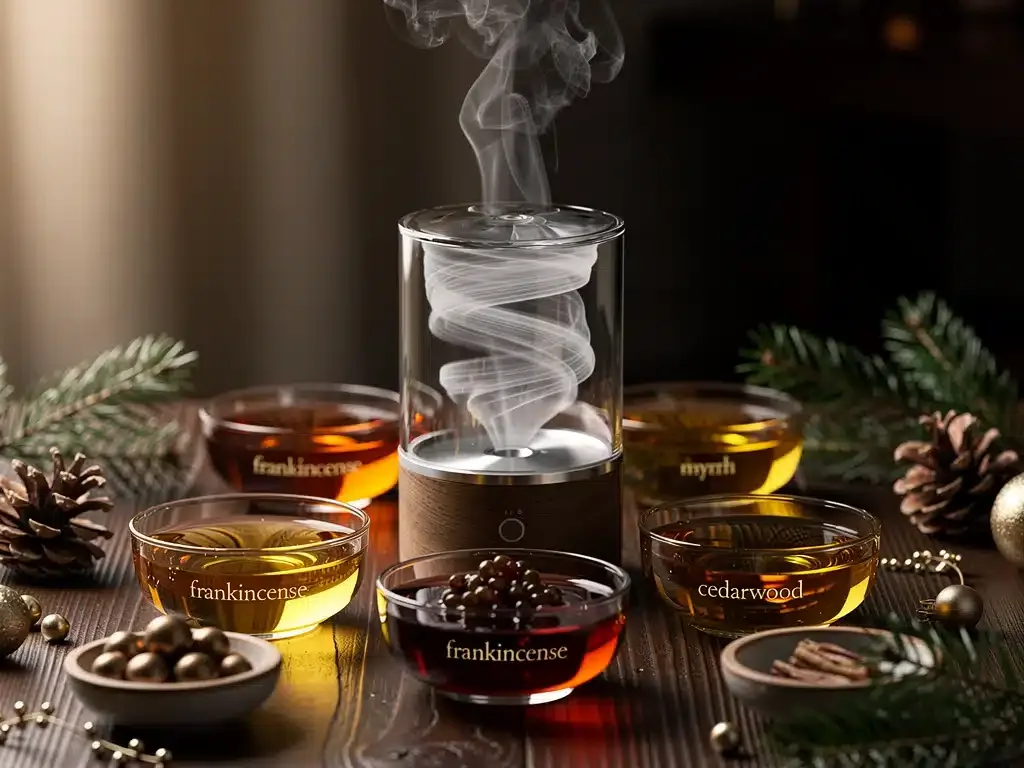
Layered scenting involves combining compatible fragrance notes or using related scents in different areas of a home. This can create a more nuanced experience than relying on one strong fragrance throughout every room.
Recent winter fragrance selections show continued interest in combinations involving woods, amber, fruit, spice and gourmand accords. These families can be mixed carefully to create Holiday Scent Pairings with different moods.
The key is restraint. Too many strong fragrances used simultaneously can compete rather than blend, so starting with one dominant note and one softer supporting note generally produces a more coherent result.
Sourcing, Ingredients and Product Transparency
Consumers interested in sustainability can look beyond broad claims such as “natural” or “eco-friendly” and evaluate packaging, ingredient transparency, refill options, product longevity and manufacturer information.
Naturally derived ingredients are not automatically safer or more sustainable than synthetic fragrance materials. Environmental impact depends on sourcing, processing, transportation, formulation and the amount of material required.
Essential oils also require appropriate handling. Products should be used according to label directions and stored securely away from children and pets, particularly concentrated oils and diffuser liquids.
Classic and Contemporary Holiday Scent Pairings
Classic winter fragrance families remain useful because citrus, spices, evergreen woods, vanilla and resins already have strong seasonal associations. Combining them can update familiar aromas without abandoning their recognizable character.
The six blends in this guide range from traditional orange and clove to sweeter peppermint and white chocolate. None should be considered universally superior, because fragrance perception varies widely among individuals.
When experimenting with Holiday Scent Pairings, begin with low intensity and increase gradually. A scent that feels pleasant in a large living room can become overwhelming in a small bedroom or enclosed hallway.
Pairing 1: Spiced Orange & Clove
Orange and clove form one of the most recognizable winter combinations. Bright citrus provides freshness while clove contributes warmth and spice, creating a blend that works well for kitchens, dining areas and entry spaces.
The pairing can be expanded with small amounts of ginger, cinnamon or star anise when a more complex profile is desired. These additions should remain secondary so the orange and clove remain identifiable.
This is a flexible choice for people who prefer familiar seasonal aromas. It can be created through candles, commercially formulated diffusers or other fragrance products designed specifically for indoor use.
Pairing 2: Fir Needle & Cedarwood
Fir and cedarwood create a dry, woody fragrance associated with evergreen forests and natural Christmas greenery. The combination tends to feel less sweet than gourmand or heavily spiced holiday scents.
Cypress, pine or sandalwood can be introduced as supporting notes, but they should be balanced carefully because several strong woods used together can make the scent feel heavy.
For people who prefer fresh and earthy Holiday Scent Pairings, fir and cedarwood can provide a restrained seasonal background that works particularly well in living rooms and entryways.
Emerging Ideas in Festive Fragrance Blending
Contemporary winter fragrance collections frequently mix traditional seasonal notes with gourmand, smoky, mineral or unexpected fruit elements. This gives consumers more options than the familiar cinnamon-and-pine formula.
Examples can include vanilla with darker amber notes or berries with aromatic herbs. These combinations reflect broader experimentation within home fragrance rather than a verified single trend governing Winter 2026.
For anyone exploring Holiday Scent Pairings, the practical goal is compatibility. Notes should complement one another and remain appropriate for the size and function of the room.
Pairing 3: Vanilla Bean & Smoked Amber
Vanilla offers familiar sweetness, while an amber-style accord can introduce warmth, resinous depth and a slightly smoky impression. Together, they create a richer profile suited to evening spaces.
The darker note helps keep the blend from feeling purely dessert-like. Depending on the product, amber fragrances may contain multiple synthetic or natural aroma materials rather than one literal amber ingredient.
This pairing works best when used moderately because both vanilla and smoky accords can have strong scent throw. Bedrooms, studies and living spaces may need lower intensity than larger entertaining areas.
Pairing 4: Cranberry & Rosemary
Cranberry and rosemary combine tart fruit with an aromatic herbal note. Compared with heavier vanilla, resin or spice fragrances, the result can feel brighter and more refreshing.
The blend can work well during daytime gatherings or in kitchens and dining areas where a fresher profile may be preferred. Other berry accords can substitute for cranberry when that exact fragrance is unavailable.
Rosemary can become dominant quickly, so a fruit-forward balance is often easier to use indoors. The result is a seasonal combination that feels distinct without depending on strongly sweet or smoky notes.
The Art of Scent Layering and Diffusion Techniques
Scent layering can involve different fragrance formats, but combining too many sources at once can make indoor air feel overloaded. One primary fragrance and one complementary accent are usually sufficient.
Candles, reed diffusers, sprays and electronic diffusers release fragrance differently. Each should be used according to the manufacturer’s instructions, particularly where heat, concentrated oils or electrical components are involved.
Ventilation is also important. Indoor fragrance products and combustion sources can contribute to airborne pollutants, so rooms should not remain heavily scented simply to maintain a stronger aroma.
Optimizing Scent Placement for Impact
Room size and airflow influence how fragrance spreads. A reed diffuser placed near an entrance may create a noticeable first impression, while a smaller scent source can be sufficient in a bedroom or office.
Fragrance should not be positioned where it creates a safety hazard or receives excessive heat. Candles in particular require stable surfaces and appropriate separation from curtains, decorations and other combustible materials.
Rather than trying to make every room smell identical, use related fragrance families to create gradual transitions. This can provide variation while keeping the overall holiday environment coherent.
Exploring Different Diffusion Methods
Reed diffusers offer continuous fragrance without an open flame, while ultrasonic and other electronic diffusers provide more control over operating duration. Smart fragrance devices can also offer scheduled release and adjustable intensity.
These products are not interchangeable. Only liquids or oils approved by the manufacturer should be placed inside a diffuser, and concentrated essential oils should never be assumed safe for every household.
Households with children, pets, respiratory sensitivities or fragrance allergies should take additional care. Lower intensity, good ventilation and adherence to product warnings can help reduce unnecessary exposure.
Curating a Multi-Sensory Holiday Experience
Fragrance can complement lighting, music, food and decor rather than functioning as the dominant element of a holiday room. A subtle scent often works better when several other sensory elements are already present.
For example, a warm gourmand fragrance may complement a dining area, while fir or cedar can reinforce natural greenery in a living room. The combination should support the environment rather than overwhelm guests.
Hosts should also remember that fragrance sensitivity varies. Keeping at least some spaces lightly scented or fragrance-free can make celebrations more comfortable for a wider range of visitors.
Pairing 5: Peppermint & White Chocolate
Peppermint and white chocolate create a sweet gourmand profile associated with candy, desserts and winter treats. Peppermint contributes freshness while the creamy accord softens its sharper aromatic quality.
This combination can suit kitchens or casual entertaining areas where food-inspired scents feel natural. Because gourmand fragrances can become intense quickly, a moderate concentration is generally more comfortable.
The pairing is best understood as a playful editorial option rather than a verified leading 2026 trend. It offers contrast for households that prefer sweeter Holiday Scent Pairings over traditional woods or spices.
Pairing 6: Frankincense & Myrrh
Frankincense and myrrh are aromatic resins with long historical and religious associations. Their warm, resinous and slightly smoky character creates a markedly different atmosphere from fruity or gourmand holiday scents.
The combination can be used for quieter spaces or formal seasonal settings where a deeper fragrance is preferred. Commercial products containing these accords may be easier to control than burning raw resin indoors.
When essential oils or concentrated fragrance products are involved, users should follow label directions carefully. Concentrated oils can cause poisoning or irritation when misused and should be stored securely.
The Psychological Impact of Holiday Aromas
The sense of smell has strong connections with memory and emotion, which helps explain why certain fragrances can become closely associated with seasonal traditions and personal experiences.
However, claims that one particular fragrance universally causes calm, happiness or energy should be treated cautiously. Individual associations, expectations and personal history influence how a person responds to an aroma.
Holiday Scent Pairings can therefore support atmosphere and memory without being treated as psychological treatments. Fragrance preferences remain subjective and should be adapted to the people using the space.
Crafting Emotional Connections Through Scent
A household can intentionally repeat a favorite seasonal fragrance each year, allowing that aroma to become associated with gatherings, decorating, meals or other holiday rituals over time.
Citrus, woods, spices and gourmand scents may produce different associations for different people. Rather than selecting a fragrance based on promised mood effects, choose notes connected with positive personal memories and preferences.
This approach makes fragrance more individual and avoids assuming that everyone experiences the same psychological response. Guests should also have the option to move away from heavily scented environments when needed.
The Role of Scent in Holiday Traditions
Many holiday memories involve smells already present in the environment, including food, evergreen trees, fireplaces, baked goods and spices. Home fragrance products often attempt to recreate or complement these familiar experiences.
Repeated exposure can strengthen personal associations between a scent and a celebration. A particular orange-and-clove or fir-and-cedar blend may therefore become meaningful within one household without having the same effect elsewhere.
Using fragrance consistently but subtly can reinforce those traditions while leaving room for the natural aromas of meals, greenery and the home itself to remain part of the overall experience.
Future Outlook for Holiday Scent Trends Post-2026
Home fragrance technology is likely to continue developing through programmable diffusers, connected devices and improved control over timing and intensity. These features already exist in parts of the current market.
Greater product transparency, refillable systems and more varied scent profiles may also continue to influence purchasing decisions. However, future consumer preferences cannot be predicted with certainty from current product launches alone.
The most durable direction is likely to be greater choice: consumers can already select among candles, reed diffusers, electronic systems and numerous fragrance families rather than following one universal seasonal profile.
Personalized Scent Profiles and Technology
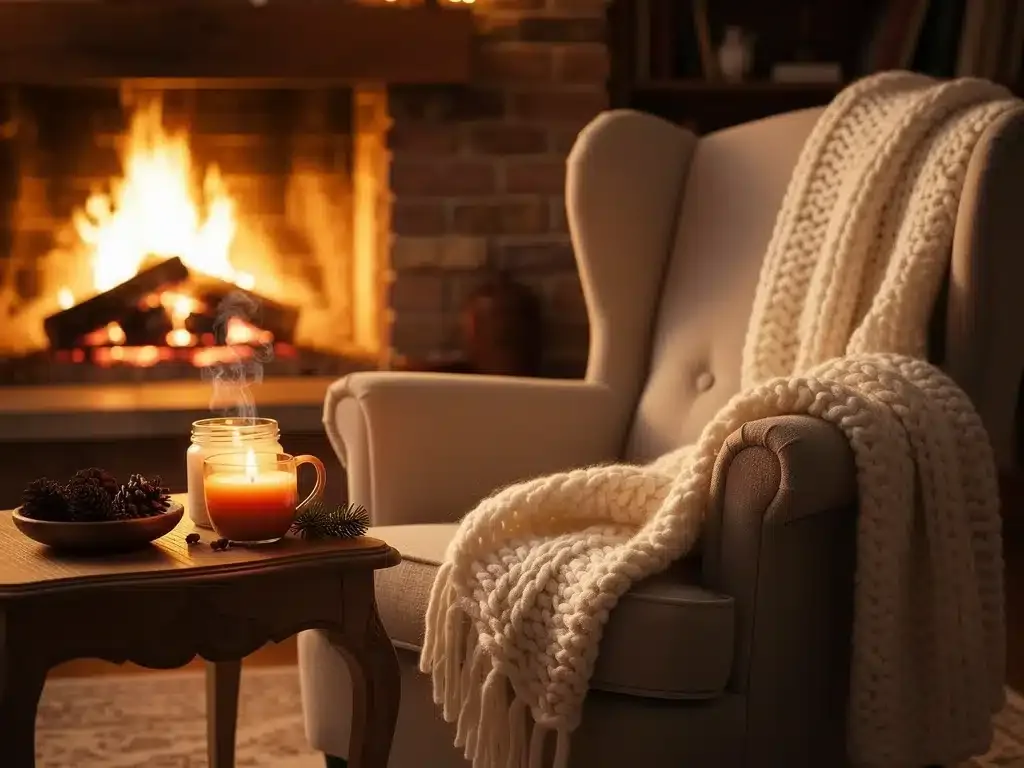
Digital fragrance systems can allow users to adjust timing, intensity or the fragrance being released. This makes home scenting more configurable than traditional candles or passive reed diffusers.
Artificial intelligence could eventually assist recommendation systems, but claims that consumers will routinely generate fragrance blends from biometric information remain speculative and should not be presented as an established post-2026 direction.
For now, personalization is more realistically achieved through choosing fragrance families, controlling intensity and using different scents in different rooms according to personal preference and household needs.
Global Influences on Festive Fragrances
Fragrance creation has long drawn from ingredients, traditions and aroma profiles associated with different regions of the world. Spices, woods, resins, fruits and florals can provide a broad palette for seasonal products.
Greater access to international fragrance styles may continue expanding the variety available to U.S. consumers, but cultural references should be represented carefully rather than reduced to generic descriptions of “exotic” ingredients.
Future Holiday Scent Pairings may therefore become more diverse while still depending on familiar principles: complementary notes, controlled intensity, safe use and a scent profile appropriate to the people sharing the space.
Key Scent Pairing | Ambiance Created |
|---|---|
Spiced Orange & Clove | Warm citrus and spice with a familiar traditional holiday character. |
Fir Needle & Cedarwood | Fresh, dry and woody with the character of evergreen forests. |
Vanilla Bean & Smoked Amber | Sweet, resinous and warm with a darker evening character. |
Peppermint & White Chocolate | Fresh and creamy gourmand notes inspired by winter sweets. |
Frequently Asked Questions About Holiday Scent Pairings
What are the top Holiday Scent Pairings for Winter 2026?▼ This guide recommends six editorial combinations: Spiced Orange & Clove, Fir Needle & Cedarwood, Vanilla Bean & Smoked Amber, Cranberry & Rosemary, Peppermint & White Chocolate, and Frankincense & Myrrh. They are creative suggestions rather than an official industry ranking. How can I effectively layer different holiday scents in my home?▼ Start with one primary fragrance and add one complementary scent rather than using several powerful products at once. Use lower intensity in small rooms, consider airflow, and avoid placing multiple strong fragrance sources too close together. Why is sustainability important in holiday fragrance choices?▼ Consumers can consider packaging, refillability, sourcing information, product longevity and manufacturer transparency. “Natural” does not automatically mean safer or more sustainable, so specific information is more useful than broad environmental marketing claims. What role do gourmand pairings play in 2026 holiday scents?▼ Sweet and gourmand fragrance profiles remain visible in current fall and winter home-fragrance selections. Pairings such as peppermint with a creamy chocolate accord are one way to create a dessert-inspired seasonal atmosphere, but preferences vary considerably. How do holiday aromas psychologically impact our festive experience?▼ Scent can become closely associated with memory and emotion, so familiar holiday aromas may reinforce personal traditions or past experiences. Responses are individual, however, and a particular fragrance should not be assumed to produce the same mood in everyone.
Looking Ahead: The Future of Festive Fragrance
Holiday Scent Pairings in Winter 2026 are best understood as part of a broader home-fragrance landscape that includes woody, fruity, gourmand, resinous, smoky and spiced profiles rather than one dominant seasonal formula.
For creative inspiration on crafting distinct seasonal aromas, explore these winter holiday blend ideas to refine your home scenting strategy.
Technology is giving consumers more control over how fragrance is released, while traditional candles and reed diffusers remain widely used. Whatever the format, appropriate intensity, ventilation and adherence to product instructions remain important.
The most effective holiday fragrance strategy is therefore personal rather than predictive: choose complementary notes you genuinely enjoy, use them safely, and allow the scent to support the celebration instead of overpowering the room.