Perfume Pairings for Your Brand: Key Strategies for 2026
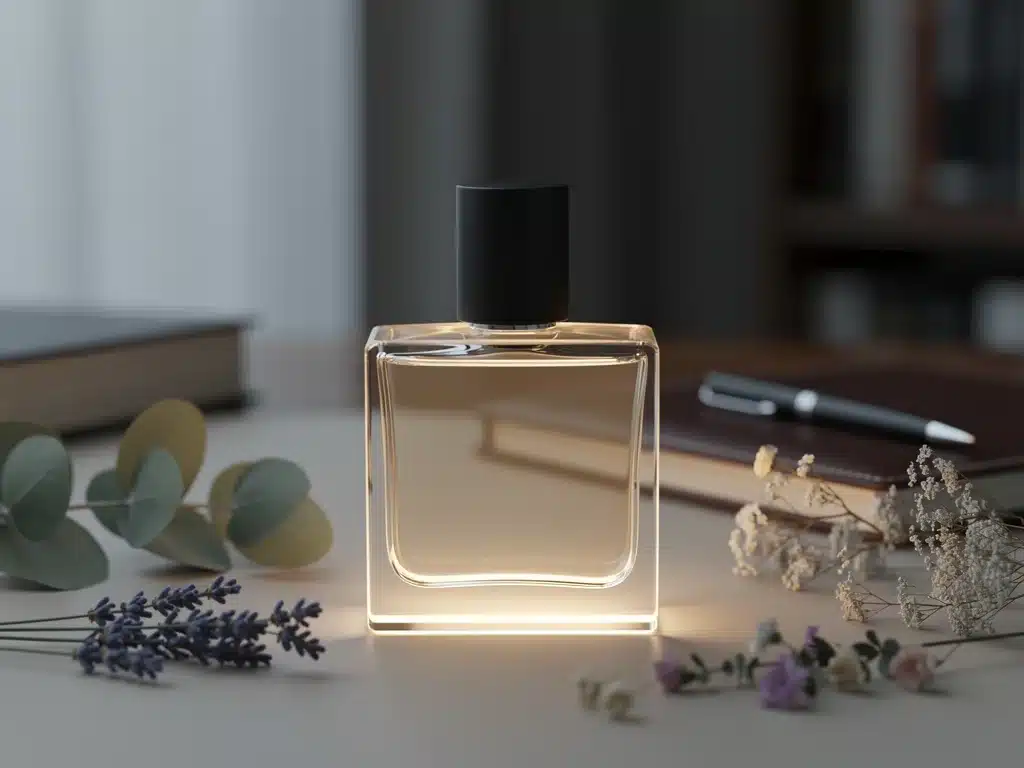
Perfume Pairings in 2026 focus on combining fragrances by notes, concentration, season and occasion while avoiding overpowering mixtures.
Current trends favor experimentation, layering and more personalized fragrance wardrobes rather than one universal signature scent.
Perfume Pairings are becoming a practical way for fragrance enthusiasts to personalize how they wear scent, whether by rotating perfumes for different settings or carefully layering compatible fragrances.
In 2026, the conversation is less about assigning fixed personality traits to particular notes and more about experimentation, individual preference, seasonal changes and the way fragrances develop on the skin.
A thoughtful fragrance wardrobe can include lighter daytime options, richer evening scents and combinations created through layering, but successful pairing depends on balance rather than rigid rules about what a perfume supposedly communicates.
Why Perfume Pairings Are Gaining Attention in 2026
Fragrance has become increasingly connected with personal expression, encouraging consumers to move beyond owning a single perfume and instead build collections suited to different moods, seasons and occasions.
Current fragrance trends also favor experimentation with contrasting notes, including darker fruits, sophisticated gourmand accords, florals, leather, woods and other combinations that can make a collection feel more varied.
This does not mean every person needs multiple fragrances, but it does explain why Perfume Pairings and layering have become useful concepts for people interested in creating more individualized scent experiences.
Scent Can Be Connected With Memory and Emotion

Scientific research supports a close relationship between olfaction, emotion and memory, with odor processing involving brain structures such as the amygdala and hippocampus.
Odors can sometimes trigger vivid autobiographical memories or emotional associations, although responses vary substantially according to personal experience, familiarity, culture and context.
For fragrance wearers, this means perfume can become personally meaningful, but a specific note cannot reliably create the same emotional impression on every person who encounters it.
Personal Style Matters More Than Fixed Fragrance Rules
Traditional fragrance descriptions often associate woods with sophistication, citrus with freshness or florals with softness, but these are descriptive conventions rather than psychological guarantees.
A woody fragrance can feel formal to one person and casual to another, while an unusual floral or gourmand may work perfectly in a professional environment when applied lightly.
Instead of assigning fragrances to personality types, a better approach is to evaluate how a scent feels, develops and performs in the actual environment where it will be worn.
How to Build Perfume Pairings for Different Occasions
Building effective perfume pairings begins by considering intensity, environment and personal comfort rather than selecting scents solely according to marketing categories.
A fragrance that works well outdoors or at an evening event may feel excessive in a small office, classroom, airplane or other enclosed environment where people remain nearby.
Creating several options with different projection levels gives the wearer greater flexibility while reducing the temptation to use one strong fragrance in every situation.
Choose Subtle Fragrances for Close Professional Settings
In offices, meetings and other close-contact environments, fragrances with moderate projection are generally easier to wear without dominating the surrounding space.
Citrus, tea, soft woods, clean musks, gentle florals and aromatic notes can work well, but concentration and number of sprays often matter more than the fragrance family itself.
Workplace rules and the sensitivities of people nearby should also be respected, particularly in environments where fragrances are discouraged or scent exposure may cause discomfort.
Use Greater Depth for Evening and Social Settings
Evening events can accommodate richer combinations involving amber, woods, vanilla, spices, leather, dark fruits or deeper floral accords when they suit the wearer’s preferences.
These ingredients often create denser compositions, but richer does not automatically mean better, and excessive application can overwhelm the character of the fragrance.
A balanced Perfume Pairings strategy considers both the scent itself and the environment, allowing intensity to increase without sacrificing comfort for people nearby.
Fragrance Layering Is One Way to Create New Pairings
Layering involves wearing two or more scented products together to create a combined effect, either by using complementary perfumes or coordinating fragrance with body products.
The technique can produce interesting results, but fragrances are already complex formulas, so adding several full perfumes together does not automatically create a more sophisticated scent.
Beginners usually achieve more predictable results by starting with simple combinations and testing them in small amounts before applying them more broadly.
Start With Fragrances That Share a Common Element
One accessible layering strategy is to combine fragrances that share a note or related family, such as vanilla with amber, citrus with aromatic herbs or rose with soft woods.
A common element can create continuity between the fragrances while allowing secondary notes to introduce contrast and additional depth.
This approach is not a strict perfumery rule, but it can make experimentation easier when someone is learning how different compositions interact.
Contrast Can Work When One Fragrance Remains Dominant
Contrasting pairings can also be effective, such as bright citrus over woods, soft florals against leather or fruit combined with aromatic and spicy notes.
Using one scent as the dominant fragrance and the other as an accent can prevent the combination from becoming overly dense or difficult to distinguish.
Testing the mixture first on blotting strips can save product, although a final skin test remains important because fragrance development can differ after application.
2026 Fragrance Trends Offer New Pairing Ideas
Fragrance trends in 2026 continue to move beyond simple sweet or fresh categories, with more attention being given to layered textures, unexpected combinations and mature interpretations of familiar ingredients.
Recent seasonal reporting has highlighted sophisticated gourmand notes, dark fruits, tonka bean, leather, suede and florals used alongside richer compositions rather than appearing only as standalone themes.
These trends can provide inspiration for Perfume Pairings, but they should be treated as possibilities rather than requirements for building a current fragrance wardrobe.
Gourmand Fragrances Are Becoming More Complex
Gourmand perfume is increasingly extending beyond straightforward vanilla and sugar profiles to include coffee, spices, liqueur-like accords and darker ingredients.
Those compositions can pair well with woods, amber, tobacco-like accords or florals when the goal is to create warmth without relying entirely on sweetness.
Because gourmand scents can project strongly, testing a smaller amount is often preferable when layering them with another fragrance.
Dark Fruits, Leather and Florals Create Contrast
Plum, black cherry and fig are among the darker fruit profiles receiving attention, while leather and suede are being blended with softer floral and fruity elements.
Peony and other florals can introduce brightness into deeper combinations, providing a useful example of how contrast can make a fragrance feel more dimensional.
Someone building a 2026 fragrance wardrobe can use these trends selectively while continuing to wear older favorites that perform well and match personal preferences.
Technology Is Changing How People Discover Fragrances
Digital fragrance discovery has expanded considerably, with recommendation tools, online databases, quizzes and data-driven platforms helping users narrow down thousands of available perfumes.
Artificial intelligence can assist with pattern recognition and recommendations based on ingredients, stated preferences and previous choices, while industry professionals are also exploring digital tools during fragrance development.
These technologies can improve discovery, but they cannot perfectly predict whether a person will enjoy a fragrance because smell remains highly subjective and difficult to reproduce through a screen.
AI Can Recommend, but It Cannot Smell for the User
An AI recommendation system can compare preferences with fragrance descriptions, ingredient structures or the choices of users with similar tastes to generate potential matches.
That can make online exploration more efficient, particularly for people looking for alternatives within a familiar fragrance family or searching for particular notes.
However, a recommendation should be treated as a shortlist rather than a guarantee because the actual sensory experience still needs to be evaluated by the wearer.
Sampling Remains Important Before Buying a Full Bottle
Sample sets and discovery sizes allow a fragrance to be tested through its opening, middle and dry-down stages before a larger financial commitment is made.
This is especially useful for online purchases because written descriptions cannot fully communicate projection, texture, sweetness or how the fragrance will be perceived over several hours.
For expensive or unfamiliar Perfume Pairings, testing samples separately and together can prevent unnecessary purchases and reveal combinations that actually work in practice.
Body Chemistry Influences Fragrance, but Claims Should Be Realistic
Fragrances can smell somewhat different from person to person because application amount, skin condition, temperature, environment and individual perception influence the experience.
This explains why testing on skin is useful, but it does not mean a conventional perfume automatically reformulates itself according to someone’s pH or biological profile.
Claims about highly adaptive biometric perfumes should therefore be distinguished from ordinary differences in evaporation and scent perception on different wearers.
Temperature Can Change How Quickly Perfume Develops
Heat generally increases evaporation, which can make some fragrances project more strongly or move through their development faster during warmer conditions.
Cooler environments may produce a more restrained experience, particularly with heavier compositions that rely on slower-developing base notes.
Seasonal fragrance choices often reflect these practical differences, although any perfume can still be worn year-round if the wearer adjusts application appropriately.
Skin Testing Gives More Useful Information Than Labels Alone
Fragrance labels and note lists describe a composition but cannot fully predict how a perfume will smell to one particular wearer after several hours.
Testing a fragrance on clean skin and observing its development can reveal whether sweetness, woods, musks or other elements become more prominent over time.
When experimenting with layering, testing each perfume individually first makes it easier to understand what each one contributes to the final combination.
Sustainability Is Becoming More Important in Fragrance
The fragrance industry continues to invest in sustainability initiatives involving ingredients, manufacturing, packaging, environmental performance and broader supply-chain considerations.
For consumers, this creates more opportunities to compare refill systems, packaging choices, sourcing claims and corporate sustainability information before making a purchase.
However, terms such as natural, clean, green or sustainable should not automatically be treated as proof of superior environmental performance without supporting information.
Natural Ingredients Are Not Automatically More Sustainable
Natural fragrance materials can require substantial land, water and agricultural inputs, while some synthetic alternatives can reduce pressure on scarce natural resources.
Conversely, synthetic ingredients also have environmental impacts, making simplistic comparisons between natural and synthetic perfumery unreliable.
A more useful evaluation considers sourcing, manufacturing, safety, resource use and lifecycle impacts rather than judging sustainability from ingredient origin alone.
Refillable Packaging Can Reduce Some Material Use
Refill systems are increasingly common in fragrance and can reduce the need to manufacture a completely new decorative bottle with every purchase.
The actual environmental benefit depends on factors such as packaging design, refill materials, transportation and how many times the original bottle is reused.
Consumers interested in sustainability can compare these details together with brand transparency instead of assuming every refillable product has identical environmental performance.
Build a Fragrance Wardrobe Without Overbuying
A fragrance wardrobe does not need dozens of bottles, and a small collection covering different levels of freshness, warmth and intensity can provide considerable variety.
Before buying something new, compare it with fragrances already owned to determine whether it adds a genuinely different experience or simply duplicates familiar notes.
This approach can make Perfume Pairings more economical while encouraging greater use of existing bottles instead of constantly replacing them with new releases.
Organize Fragrances by Situation Rather Than Status
One fragrance might work well for casual daytime use, another for professional settings and a third for evenings or colder weather without any of them being inherently more prestigious.
Organizing by practical use makes it easier to understand gaps in a collection and reduces purchases driven primarily by packaging, hype or perceived exclusivity.
The most useful perfume is ultimately one that is comfortable to wear and actually fits situations that occur regularly in the owner’s life.
Seasonal Rotation Can Extend the Use of a Collection
Lighter citrus, green, aquatic or floral compositions are often preferred during warmer weather because they can feel less dense in heat.
Amber, vanilla, woods, spices and leather are frequently associated with cooler seasons, when heavier compositions may feel more comfortable to some wearers.
These are preferences rather than fixed rules, and changing application quantity can allow many fragrances to work successfully across different seasons.
Avoid Common Mistakes When Creating Perfume Pairings
One of the most frequent layering mistakes is combining several powerful fragrances at full strength, making individual notes difficult to distinguish and potentially overwhelming nearby people.
Another is purchasing fragrances solely because they are trending without first considering whether their structure, intensity and style actually match personal preferences.
Successful Perfume Pairings generally come from controlled experimentation, allowing enough time to understand each fragrance before deciding whether two compositions complement each other.
Do Not Assume Stronger Means More Memorable
A fragrance does not need extremely high projection to create a pleasant impression, and excessive application can produce the opposite effect in shared environments.
Projection and longevity also vary according to formula, skin, weather and application, making spray-count rules unreliable across different perfumes.
Starting conservatively and adding more only when appropriate provides greater control than applying a large amount immediately.
Do Not Rely Entirely on Online Descriptions
Fragrance databases and reviews can help identify notes and compare experiences, but reviewers may perceive the same perfume very differently.
Terms such as fresh, elegant, seductive or professional are subjective descriptions and should not be interpreted as measurable properties of a fragrance.
Sampling remains the most dependable way to determine whether a perfume fits personal taste and whether a proposed pairing produces the desired result.
Digital Platforms Can Make Fragrance Discovery Easier
Online fragrance databases now allow users to search perfumes by note, family, perfumer, release year and other characteristics before visiting a store or ordering samples.
Community reviews can reveal common observations about performance or composition, although individual experiences should never be treated as objective guarantees.
Used carefully, these resources can make Perfume Pairings easier to research while reducing random purchases based solely on advertising.
Fragrance Databases Are Useful Research Tools
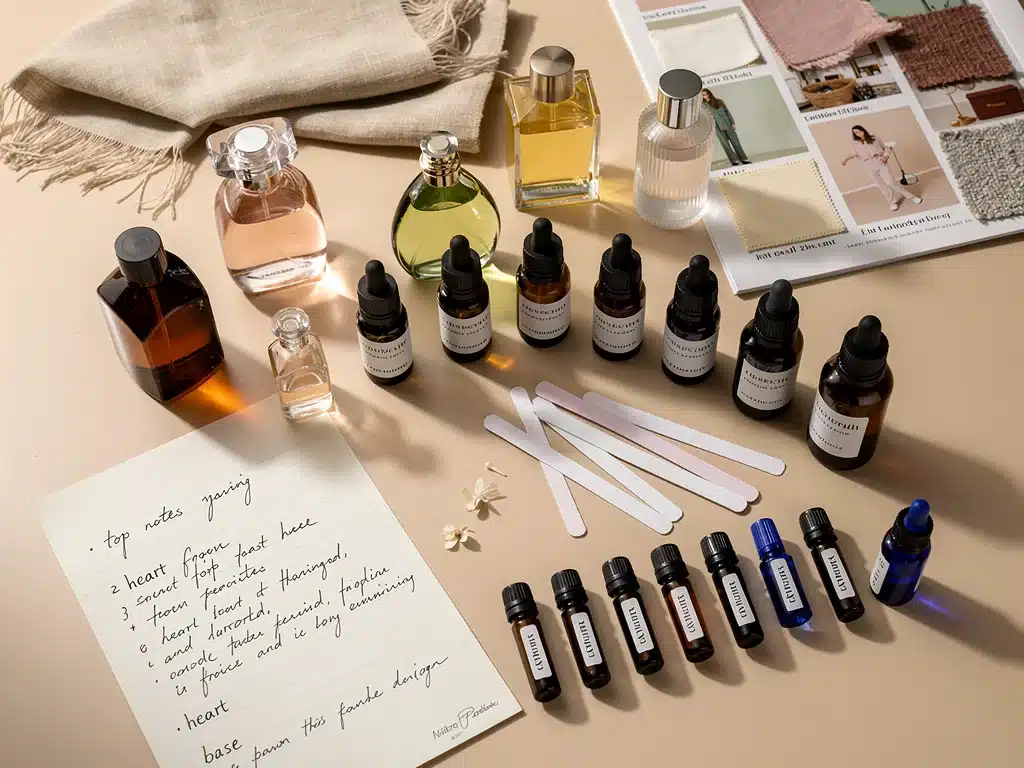
Digital databases can help users understand which notes are officially listed, find fragrances sharing similar structures and discover perfumes outside familiar brands.
Search filters are especially useful for someone trying to build a pairing around one ingredient, such as rose, vanilla, cedar, citrus or leather.
Because note pyramids are descriptive tools rather than chemical ingredient lists, they should be used to guide exploration rather than predict an exact smell.
Online Consultations and Discovery Sets Reduce Guesswork
Some retailers and fragrance houses offer remote consultations that use questionnaires or conversations to narrow down options based on stated preferences.
Discovery sets can then provide physical samples, allowing the wearer to compare recommendations under normal conditions instead of purchasing a full bottle immediately.
This combination of digital research and real-world testing is currently one of the most practical ways to explore unfamiliar fragrances and possible layering combinations.
| Key Point | What It Means in 2026 |
|---|---|
| Personalization | Fragrance wardrobes and layering allow more individual experimentation without requiring one permanent signature scent. |
| 2026 Trends | Complex gourmands, dark fruits, tonka, leather, suede and contrasting florals are among current themes. |
| Technology | AI and digital tools can improve fragrance discovery, but physical sampling remains important. |
| Sustainability | Ingredient sourcing, production, packaging and refill systems all matter when evaluating environmental claims. |
| Layering | Start with simple combinations, control intensity and test fragrances before committing to a pairing. |
Frequently Asked Questions About Perfume Pairings
Perfume Pairings can refer to choosing different fragrances for different situations or layering two compatible scents to create a personalized combination.
There is no universal formula. Beginners can start with fragrances sharing a common note or pair a simple dominant fragrance with a lighter contrasting accent.
Not reliably. Fragrance descriptions may associate woods with strength or sophistication, but perceptions vary by person, culture, context and previous scent experiences.
AI can narrow the options by analyzing preferences and fragrance data, but it cannot guarantee that you will enjoy the result. Sampling on skin remains important.
Not automatically. Natural and synthetic materials both have environmental impacts, so sourcing, manufacturing, resource use and packaging should all be considered.
There is no required number. A small collection covering different occasions, seasons and intensity levels can provide enough variety for many people.
What Perfume Pairings Mean in 2026
The strategic use of Perfume Pairings in 2026 is primarily about personal expression, versatility and thoughtful experimentation rather than using fragrance as a guaranteed tool for professional influence.
Technology, sampling services and online fragrance resources make it easier to discover combinations, while current trends provide new ideas involving complex gourmands, fruits, woods, leather and floral contrasts.
The most effective fragrance portfolio remains one built around personal preference, appropriate application and real-world testing, allowing scent to complement individual style without relying on exaggerated claims about psychology, status or business performance.