
Seasonal Skincare Swaps: Protecting Your Skin from Winter to Summer in the US

Seasonal Skincare remains a major focus for dermatologists in the United States as changing weather patterns, UV exposure, humidity levels, and indoor climate control continue to influence skin health throughout the year. Experts emphasize that skincare routines should be adjusted seasonally to address fluctuations in moisture retention, barrier function, and environmental stressors.
The latest guidance highlights the importance of switching to richer moisturizers during colder months, increasing hydration support when indoor heating contributes to dryness, and maintaining daily sunscreen use regardless of season. During warmer months, lighter formulations, antioxidant protection, and oil-control strategies are increasingly recommended to manage heat, humidity, and elevated UV exposure.
Looking ahead, consumers should monitor emerging skincare technologies, climate-adaptive formulations, and dermatologist-backed recommendations focused on skin barrier protection. Industry analysts also point to growing interest in personalized skincare solutions designed to respond to seasonal and regional environmental conditions, helping individuals maintain healthier and more resilient skin year-round.
The Science Behind Seasonal Skin Changes
Our skin is a dynamic organ, constantly reacting to its external environment, making seasonal skincare swaps crucial. During winter, lower humidity and cold winds deplete the skin’s natural moisture barrier, leading to dryness, flakiness, and increased sensitivity.
Conversely, summer brings higher temperatures and humidity, alongside increased UV radiation, prompting concerns about sun damage, excessive oil production, and breakouts. These distinct environmental pressures necessitate a careful re-evaluation of our daily skincare practices to ensure continuous protection.
Dermatologists emphasize that failing to adjust your routine can exacerbate existing skin conditions or create new ones. Effective seasonal skincare swaps are thus foundational to maintaining a healthy, balanced complexion throughout the year, preventing issues before they arise.
Winter’s Impact on Skin
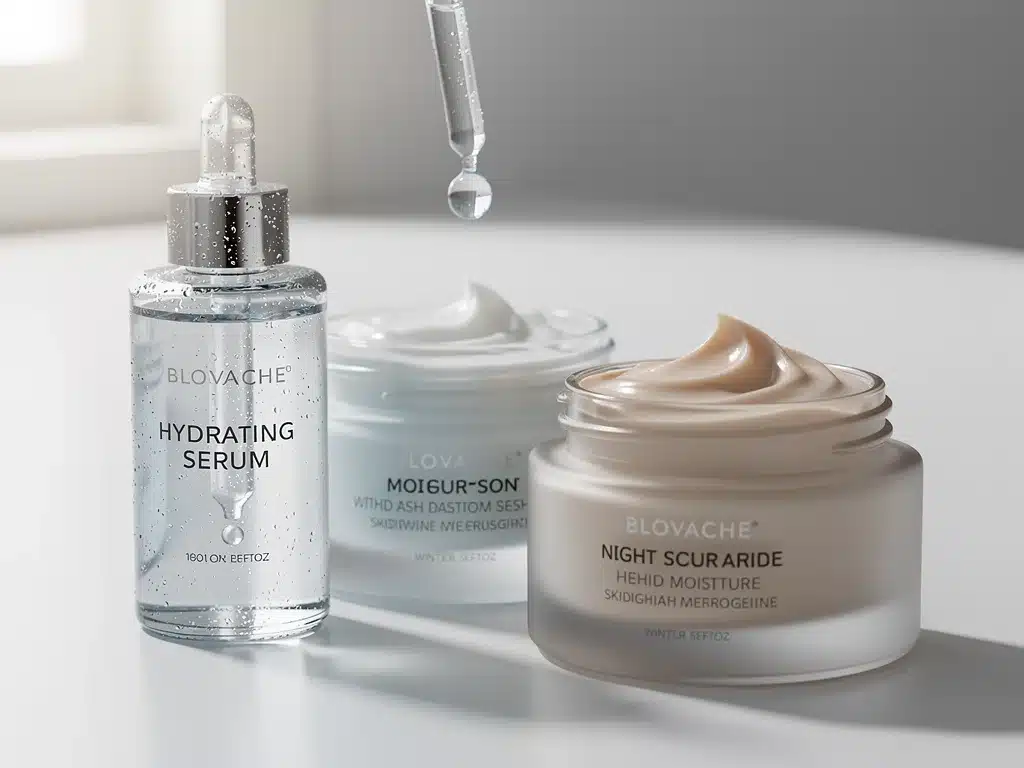
Winter air, both indoors and outdoors, is significantly drier, drawing moisture away from the skin. This environmental stress can compromise the skin barrier, leading to increased transepidermal water loss and a dull, chapped appearance.
- Lower humidity intensifies skin dryness and flakiness.
- Cold temperatures constrict blood vessels, reducing nutrient delivery.
- Heated indoor environments further strip skin of natural oils.
These conditions collectively demand richer, more occlusive formulations in your seasonal skincare swaps to fortify the skin’s defenses. Ignoring these changes can result in persistent irritation and a weakened skin barrier, making it more susceptible to external aggressors.
Summer’s Challenges for Skin
Summer’s warmth and sunlight present a different set of challenges, primarily centered around sun protection and managing oiliness. Increased sweat and sebum production can lead to clogged pores and breakouts, while UV exposure accelerates aging and increases cancer risk.
- Higher UV index necessitates robust sun protection.
- Increased humidity can lead to excess oil production.
- Sweat and environmental pollutants contribute to clogged pores.
Therefore, seasonal skincare swaps for summer often involve lighter textures, potent antioxidants, and diligent sun protection. These adjustments are vital for preventing sun damage and keeping the skin clear and comfortable during warmer months.
Essential Winter Skincare Swaps for US Climates
As winter descends across the US, from the frosty Northeast to the drier Southwest, adapting your skincare routine becomes non-negotiable. The goal is to fortify the skin’s barrier, lock in moisture, and soothe any irritation caused by the harsh elements.
This means transitioning from lightweight lotions to richer creams, incorporating hydrating serums, and rethinking your cleansing methods. Effective seasonal skincare swaps during winter can prevent common issues like chapped skin, redness, and a compromised moisture barrier, ensuring your skin remains supple.
Prioritizing hydration and protection will be key to navigating the colder months successfully. These strategic changes form the bedrock of robust winter skin health, making your skin more resilient against the elements.
Hydrating Cleansers and Toners
During winter, switch from foaming cleansers, which can strip natural oils, to cream-based or oil-based cleansers. These formulations clean effectively without compromising the skin’s delicate moisture barrier, a crucial step in seasonal skincare swaps.
Similarly, alcohol-free toners or hydrating essences should replace astringent varieties. Ingredients like hyaluronic acid or glycerin in toners help to replenish moisture immediately after cleansing, preparing the skin for subsequent treatments and maximizing absorption.
This gentle approach ensures that the skin’s natural defenses are not further weakened by harsh products, setting a strong foundation for winter skin health. It’s a fundamental shift in your seasonal skincare swaps.
Rich Moisturizers and Serums
The cornerstone of winter seasonal skincare swaps is undoubtedly a richer moisturizer. Look for products containing ceramides, shea butter, or squalane, which create a protective barrier against moisture loss and repair compromised skin.
Layering a hydrating serum underneath your moisturizer can provide an extra boost of moisture. Serums with hyaluronic acid, vitamin B5, or glycerin attract and retain water in the skin, addressing deep-seated dryness that a moisturizer alone might not fully tackle.
These powerful combinations work synergistically to keep skin plump, smooth, and protected against the drying effects of winter. Integrating these into your seasonal skincare swaps is essential for combating the season’s harshness.
Sunscreen is Still Essential
While the sun may seem less intense in winter, UV rays are still present and can cause damage, especially when reflected off snow. Therefore, maintaining daily sunscreen application is a critical, often overlooked, aspect of seasonal skincare swaps.
Opt for a broad-spectrum SPF 30 or higher, even on cloudy days. Many winter moisturizers now incorporate SPF, offering a convenient two-in-one solution for daily protection without adding extra steps to your routine.
Protecting your skin from UV radiation year-round helps prevent premature aging and reduces the risk of skin cancer. This consistent vigilance is a key component of effective seasonal skincare swaps, regardless of the temperature outside.
Adapting Your Routine for US Summer Conditions
As temperatures rise and the sun’s intensity peaks across the US, from the humid South to the arid West, your skincare routine needs a significant overhaul. The focus shifts to lightweight hydration, effective sun protection, and managing increased oil production and potential breakouts.
These seasonal skincare swaps are designed to keep your skin clear, protected, and comfortable during the warmer months. Neglecting these adjustments can lead to sunburn, hyperpigmentation, and a greasy complexion, undermining your skin’s health and appearance.
Embracing lighter textures and robust sun defense strategies is paramount for a successful summer skincare regimen. This proactive approach ensures your skin thrives under the summer sun, making these seasonal skincare swaps indispensable.
Lightweight Cleansers and Exfoliants
In summer, swap heavy, creamy cleansers for lightweight, gel-based or foaming options. These types of cleansers effectively remove excess oil, sweat, and sunscreen residue without stripping the skin, which is crucial for seasonal skincare swaps.
Regular, gentle exfoliation becomes more important to prevent clogged pores and manage increased sebum production. Incorporate a chemical exfoliant with salicylic acid or AHAs a few times a week to keep skin smooth and clear, enhancing the effectiveness of your seasonal skincare swaps.
This dual approach of gentle cleansing and targeted exfoliation helps prevent breakouts and maintains a fresh, radiant complexion throughout the humid summer months. It’s a vital part of your seasonal skincare swaps strategy.
Oil-Free Hydrators and Antioxidant Serums
Replace rich winter moisturizers with oil-free, gel-based or fluid lotions during summer. These lighter formulations provide adequate hydration without feeling heavy or contributing to oiliness, a key change in seasonal skincare swaps.
Introduce antioxidant serums, particularly those with Vitamin C, into your morning routine. Vitamin C helps protect against environmental damage, brightens the complexion, and boosts the efficacy of your sunscreen, making it an indispensable part of your seasonal skincare swaps.
These products work together to protect the skin from free radical damage and maintain a balanced, healthy glow. Selecting the right oil-free hydrators and serums is central to successful seasonal skincare swaps for summer.
The Unwavering Importance of Sun Protection
Regardless of the season, consistent and effective sun protection remains the most critical aspect of any skincare routine. However, the methods and intensity of this protection often require careful adjustment as part of your seasonal skincare swaps, especially when moving into summer.
The sun’s UV radiation is a primary cause of premature aging, including fine lines, wrinkles, and hyperpigmentation, as well as the leading cause of skin cancer. Therefore, understanding how to best protect your skin year-round is not merely cosmetic, but a vital health concern.
Integrating robust sun protection into your daily habits, adjusting for seasonal variations, is non-negotiable. This consistent effort forms the bedrock of long-term skin health and is a continuous element in all effective seasonal skincare swaps.
Year-Round SPF Application
In the US, where UV levels can vary dramatically, a broad-spectrum sunscreen with an SPF of 30 or higher should be applied every single day, come rain or shine, snow or heat. This steadfast practice is the most fundamental of all seasonal skincare swaps.
During summer, when sun exposure is typically higher, reapply sunscreen every two hours, or more frequently if swimming or sweating. This diligence ensures continuous protection against both UVA and UVB rays, which are responsible for aging and burning, respectively.
Even on cloudy days or when indoors near windows, UV radiation can penetrate and cause damage. Making sunscreen a non-negotiable step in your daily routine is the single most impactful seasonal skincare swap you can make for skin health.
Beyond Sunscreen: Protective Measures
While sunscreen is paramount, it should be part of a broader sun protection strategy, especially in summer. This includes seeking shade during peak UV hours, typically between 10 AM and 4 PM, and wearing protective clothing.
Wide-brimmed hats, UV-protective clothing, and sunglasses offer physical barriers against the sun’s harmful rays. These additional measures significantly reduce your overall UV exposure, complementing your sunscreen efforts as part of comprehensive seasonal skincare swaps.
Educating yourself on the UV index in your area can also help you gauge the level of protection needed on any given day. A multi-faceted approach to sun protection is key to safeguarding your skin effectively through all seasonal skincare swaps.
Targeting Specific Concerns with Seasonal Skincare Swaps
Beyond general hydration and protection, seasonal changes often bring about specific skin concerns that require targeted interventions. From winter dryness and sensitivity to summer breakouts and hyperpigmentation, your seasonal skincare swaps should address these issues directly.
Understanding the common dermatological challenges associated with each season allows for proactive adjustments, preventing minor issues from escalating. This strategic approach ensures your skin remains balanced and healthy, regardless of the external conditions.
Tailoring your routine to tackle these seasonal-specific problems is a hallmark of an advanced and effective skincare regimen. These focused seasonal skincare swaps are essential for maintaining optimal skin health year-round.
Combatting Winter Dryness and Sensitivity
For extreme winter dryness, consider incorporating a facial oil into your nighttime routine. Oils like argan, jojoba, or rosehip can provide an extra layer of nourishment and help seal in moisture, a beneficial addition to seasonal skincare swaps.
If sensitivity is an issue, look for products with soothing ingredients such as colloidal oatmeal, centella asiatica, or allantoin. These components help calm irritated skin and strengthen the skin barrier, making them ideal for sensitive skin seasonal skincare swaps.
Avoiding harsh active ingredients like retinoids or strong exfoliants during periods of extreme dryness or sensitivity can also prevent further irritation. Prioritizing gentle, nourishing care is key to effective seasonal skincare swaps in colder months.
Managing Summer Oiliness and Breakouts
To control summer oiliness, incorporate niacinamide into your routine. This versatile ingredient helps regulate sebum production, minimize pore appearance, and reduce inflammation, making it a powerful tool in seasonal skincare swaps.
For those prone to breakouts, salicylic acid (BHA) can be particularly effective. It’s oil-soluble, allowing it to penetrate pores and exfoliate from within, preventing and treating congestion, a crucial component of summer seasonal skincare swaps.
Additionally, consider incorporating clay masks once or twice a week to draw out impurities and absorb excess oil. These targeted treatments are vital for keeping skin clear and balanced during the humid summer, making them essential seasonal skincare swaps.
Product Formulations and Textures: A Key Swap
The texture and formulation of your skincare products play a pivotal role in how they perform under different environmental conditions. Making appropriate seasonal skincare swaps in this area can significantly impact your skin’s comfort and efficacy of your routine.
Heavy, occlusive creams that are perfect for winter can feel suffocating and lead to clogged pores in summer. Conversely, lightweight gels that absorb quickly in summer might not provide enough protection against winter’s dryness, highlighting the need for careful consideration.
Understanding the properties of different formulations and how they interact with your skin and the climate is crucial for making informed choices. These strategic seasonal skincare swaps ensure your products work optimally throughout the year.
Winter: Embrace Rich and Creamy
In winter, opt for products with richer, more emollient textures. Think creams, balms, and thicker lotions that provide a substantial barrier against the cold and dry air, essential elements of seasonal skincare swaps.
Ingredients like petrolatum, lanolin, and mineral oil, often shunned in other seasons, become highly beneficial for their occlusive properties, preventing moisture loss. These formulations are designed to deeply nourish and protect, forming a vital part of your seasonal skincare swaps.
Consider overnight masks with a creamy consistency to maximize hydration and repair while you sleep. These intensive treatments can significantly improve skin’s resilience against winter’s harshness, solidifying your seasonal skincare swaps.
Summer: Prioritize Light and Gel-Based
For summer, the preference shifts to lightweight, fast-absorbing formulations. Gel cleansers, serum-like moisturizers, and fluid sunscreens are ideal, as they provide hydration without feeling heavy or greasy, aligning perfectly with seasonal skincare swaps.
Water-based products are excellent choices, as they deliver moisture without adding oil, helping to keep pores clear and skin fresh. Look for terms like ‘oil-free,’ ‘non-comedogenic,’ and ‘mattifying’ to suit the summer climate when making seasonal skincare swaps.
Sprays and mists can also offer a refreshing boost of hydration throughout the day without disturbing makeup. These lighter textures are key to maintaining comfort and preventing congestion during warmer, more humid conditions, essential for seasonal skincare swaps.
Geographic Considerations for US Seasonal Skincare Swaps
The vast and diverse geography of the United States means that ‘seasonal skincare swaps’ are not a one-size-fits-all concept. What works in the humid Southeast may not be suitable for the arid Southwest, and coastal regions have unique needs compared to inland areas.
Understanding the microclimates within the US is crucial for fine-tuning your skincare routine. This localized approach ensures that your seasonal skincare swaps are truly effective, addressing the specific environmental stressors your skin faces.
Paying attention to regional weather patterns and humidity levels will allow for more precise and beneficial adjustments to your daily regimen. This informed strategy elevates the efficacy of your seasonal skincare swaps.
Humid vs. Arid Climates
In humid US regions, like the Southeast, skin tends to retain more moisture naturally, but also produces more oil and sweat. Here, seasonal skincare swaps should focus on lightweight, oil-controlling products that prevent congestion and shine.
Conversely, in arid areas such as the Southwest, the lack of atmospheric moisture leads to significant transepidermal water loss. Skincare in these regions, even in summer, might still require richer hydrating ingredients and occlusives, adapting the usual seasonal skincare swaps.
Residents in these contrasting climates must adjust their product choices accordingly, prioritizing lighter textures in humidity and more robust hydration in dryness. This geographical awareness is key to successful seasonal skincare swaps.
Coastal vs. Inland Regions
Coastal regions often experience higher humidity and increased exposure to sea salt, which can be drying and irritating. Seasonal skincare swaps here should focus on gentle cleansing, barrier support, and robust antioxidant protection against environmental pollutants.
Inland areas, particularly those with extreme temperature fluctuations, demand products that can adapt to rapid environmental shifts. Barrier-repairing ingredients and consistent hydration are vital for maintaining skin integrity through varied inland conditions, requiring nuanced seasonal skincare swaps.
The presence of urban pollution can also influence skincare needs, requiring enhanced antioxidant defense regardless of the season. Tailoring seasonal skincare swaps to these specific regional factors ensures optimal skin health and resilience.
When and How to Implement Your Skincare Swaps
Timing your seasonal skincare swaps effectively is just as important as the products you choose. Rushing into a full overhaul can shock the skin, while delaying necessary changes can leave it vulnerable to environmental damage.
The transition should be gradual, allowing your skin to acclimate to new formulations and ingredients. This thoughtful approach minimizes potential irritation and ensures a smooth shift between seasonal routines, optimizing the benefits of your seasonal skincare swaps.
Observing your skin’s response and being prepared to make minor adjustments throughout the season will lead to the most successful outcomes. This adaptive strategy is central to mastering seasonal skincare swaps.
Gradual Transitioning

Instead of switching all your products at once, introduce new items one at a time over a period of a week or two. This allows you to identify any potential sensitivities and gives your skin time to adjust to the new formulations, a smart approach to seasonal skincare swaps.
Start with the most impactful changes, such as your cleanser or moisturizer, and then gradually integrate serums and treatments. This phased approach reduces the risk of overwhelming your skin and helps you pinpoint what works best during your seasonal skincare swaps.
Pay close attention to how your skin feels and looks after each change. If you notice any redness, dryness, or breakouts, you can easily identify the culprit and adjust your seasonal skincare swaps accordingly, ensuring a smooth transition.
Listening to Your Skin
Ultimately, your skin is the best indicator of what it needs. While seasonal guidelines provide a framework, individual skin types and concerns vary, making personalized seasonal skincare swaps essential.
If your skin feels tight and dry, even in summer, you might need a slightly richer moisturizer than typically recommended for the season. Conversely, if your skin is still breaking out in winter, you might need to incorporate a gentle exfoliant, adapting your seasonal skincare swaps as needed.
Regularly assessing your skin’s condition and being flexible with your routine ensures that your seasonal skincare swaps are always meeting its current needs. This responsiveness is key to maintaining healthy, happy skin year-round.
| Key Aspect | Seasonal Adjustment |
|---|---|
| Cleanser Type | Winter: Cream/Oil-based; Summer: Gel/Foaming |
| Moisturizer Texture | Winter: Rich Cream/Balm; Summer: Lightweight Gel/Fluid |
| Exfoliation Focus | Winter: Gentle Hydrating; Summer: Oil-Controlling/BHA |
| Sun Protection | Winter: Daily SPF 30+; Summer: Reapply frequently, broader measures |
Frequently Asked Questions About Seasonal Skincare Swaps
Seasonal skincare swaps are crucial because environmental factors like temperature, humidity, and UV exposure change dramatically between winter and summer. These changes directly impact skin hydration, oil production, and barrier function, necessitating adjustments to maintain skin health and address specific seasonal concerns effectively.
The biggest mistake is failing to adapt their routine at all, or making abrupt, drastic changes. Many continue using heavy winter moisturizers in summer, leading to breakouts, or insufficient hydration in winter, causing dryness. Gradual and informed seasonal skincare swaps are key to avoiding these common pitfalls.
While daily broad-spectrum SPF 30+ is always recommended, you might change the texture or formulation. In winter, an SPF-infused rich moisturizer is suitable. For summer, opt for a lightweight, water-resistant formula and be diligent about reapplication, making these specific seasonal skincare swaps.
Regional climates significantly influence seasonal skincare swaps. Humid areas require lighter, oil-controlling products, while arid regions demand more intensive hydration even in summer. Coastal areas might need enhanced antioxidant protection against pollutants. Tailoring products to your specific US location is vital.
The best time to start seasonal skincare swaps is usually in early spring and early fall, as the weather begins to transition. This allows your skin to gradually adjust to new products before the full impact of the new season hits, ensuring a smoother and more effective shift.
Looking Ahead: The Future of Personalized Skincare
The evolving landscape of skincare continues to emphasize personalization, moving beyond generic seasonal advice to highly tailored recommendations. As research advances, the future of seasonal skincare swaps will likely involve AI-driven analyses of individual skin profiles and local environmental data, providing hyper-specific guidance.
Consumers are increasingly seeking solutions that adapt not just to broad seasonal changes but also to their unique genetic predispositions and lifestyle factors. This shift towards precision skincare promises more effective and sustainable practices, continuously refining the concept of seasonal skincare swaps.
Monitoring developments in dermatological science and smart beauty technology will be crucial for staying ahead in maintaining optimal skin health. These innovations will further empower individuals to make informed and precise seasonal skincare swaps, ensuring year-round radiance and protection.