
Sustainable Casual Fashion in 2026: 3 Brands Leading Eco-Friendly Style
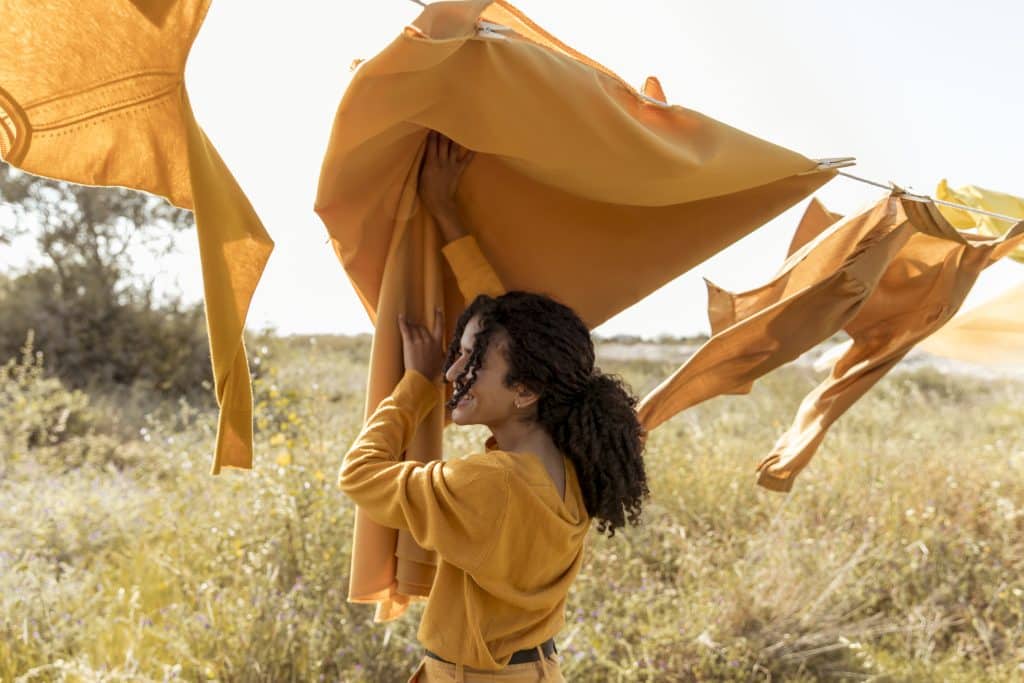
Latest developments on Sustainable Casual Fashion in 2026: 3 Brands Leading the Way highlight a strong shift toward eco-friendly materials, transparency, and everyday wearability. Industry data confirms that leading brands are prioritizing organic fabrics, recycled materials, and low-impact production to meet growing consumer demand for responsible fashion.
This matters because sustainable fashion is no longer limited to niche markets. Brands like Another Tomorrow, Big Bud Press, and Pangaia are redefining casual wear by combining ethical sourcing, inclusive design, and innovative materials such as organic cotton and bio-based fabrics. These companies are setting new standards for transparency and durability in everyday clothing.
Looking ahead, consumers should monitor supply chain transparency, material innovation, and authenticity in sustainability claims. The rise of AI-driven traceability and eco-friendly textiles will continue shaping the industry, making it essential to choose brands that prioritize long-term impact over fast fashion trends.
The Rise of Sustainable Casual Fashion in 2026
The landscape of global fashion is undergoing a significant transformation, with sustainability becoming a core tenet rather than a niche concern. Consumers are increasingly demanding transparency and ethical practices from brands, pushing the industry towards more responsible production methods.
This shift is particularly evident in the casual wear segment, where comfort and everyday utility meet a growing desire for environmental consciousness. As 2026 approaches, the focus intensifies on brands that genuinely integrate eco-friendly options into their core business models, setting new benchmarks for the industry.
The movement towards sustainable casual fashion is not merely a trend but a fundamental re-evaluation of how clothing is made, consumed, and ultimately disposed of. This paradigm shift addresses critical issues such as resource depletion, pollution, and fair labor practices, redefining what it means to be a responsible consumer.
Pioneering Brands Shaping the Future of Eco-Friendly Casual Wear

As we delve into 2026, several brands have distinguished themselves through their unwavering commitment to sustainability in the casual fashion sector. These pioneers are not just adopting eco-friendly materials but are implementing holistic approaches that encompass their entire supply chain, from raw material sourcing to end-of-life garment solutions.
These brands recognize that true sustainability extends beyond a single aspect of production; it demands a comprehensive strategy. Their efforts are setting a new standard, demonstrating that style and environmental responsibility can coexist harmoniously, influencing consumer choices and industry practices alike.
Their leadership is crucial in driving wider adoption of sustainable practices, proving that profitability and ecological stewardship are not mutually exclusive. By offering innovative and stylish eco-friendly options, they are making sustainable casual fashion accessible and desirable for a broader audience.
Brand Spotlight: Everlane’s Radical Transparency
Everlane continues to be a frontrunner in sustainable casual fashion, particularly known for its commitment to radical transparency. The brand openly shares the true cost of its products, including materials, labor, and transportation, empowering consumers with informed choices.
Their “ReNew” collection, made from recycled plastic bottles, exemplifies their dedication to circularity and reducing waste. Everlane’s focus extends to ethical factories, ensuring fair wages and safe working conditions, which are integral to their sustainable casual fashion ethos.
By prioritizing both environmental impact and social responsibility, Everlane offers a compelling model for other brands seeking to embrace sustainability. Their consistent efforts reinforce their position as a leader in providing eco-friendly options for everyday wear.
Patagonia’s Enduring Environmental Stewardship
Patagonia has long been synonymous with environmental activism and sustainable practices, making it a natural leader in sustainable casual fashion. Their enduring commitment to quality and repairability stands in stark contrast to fast fashion’s disposability.
The brand utilizes a high percentage of recycled materials, organic cotton, and responsibly sourced down, minimizing their ecological footprint. Patagonia’s “Worn Wear” program encourages customers to repair, reuse, and recycle their garments, extending product lifespans and reducing waste.
Their advocacy for environmental protection, coupled with their production of durable and eco-friendly options, solidifies Patagonia’s role as a benchmark for sustainable casual fashion. Their influence continues to inspire both consumers and competitors towards more conscious consumption.
Key aspect of Patagonia’s
Another key aspect of Patagonia’s approach is their significant investment in renewable energy and carbon neutrality initiatives. They actively work to reduce emissions across their entire supply chain, from manufacturing to distribution, demonstrating a holistic commitment to mitigating climate change.
Their transparent reporting on environmental impact and progress further builds consumer trust and sets a high bar for accountability within the industry. This dedication not only enhances their brand reputation but also contributes significantly to the broader movement of sustainable casual fashion.
Patagonia’s leadership in sustainable casual fashion also extends to their support for grassroots environmental organizations, donating a percentage of their sales to various causes. This integrated approach, combining ethical business practices with active environmental advocacy, makes them a powerful force for good.
Innovative Materials Driving Eco-Friendly Options
The core of sustainable casual fashion in 2026 lies in the continuous innovation of materials. Brands are increasingly moving away from conventional fabrics that have high environmental costs, towards alternatives that are renewable, recycled, or have a significantly lower impact.
This evolution in material science is critical for reducing textile waste, conserving natural resources, and minimizing pollution associated with dyeing and finishing processes. The availability of these advanced materials directly supports the growth of eco-friendly options in casual wear.
From plant-based fibers to advanced recycling technologies, the textile industry is witnessing a revolution that promises a greener future for fashion. These innovations are not only environmentally beneficial but also offer new aesthetic and performance qualities for sustainable casual fashion.
The Power of Recycled and Upcycled Fabrics
Recycled polyester, derived from plastic bottles and ocean waste, is a cornerstone of current sustainable casual fashion, significantly reducing the demand for new petroleum-based plastics. Upcycling, which transforms discarded materials into new products, further minimizes waste and resource consumption.
Brands are strategically integrating these materials into their collections, offering garments that are both stylish and environmentally responsible. This approach not only diverts waste from landfills but also reduces the energy and water required for new material production, making recycled and upcycled fabrics crucial for eco-friendly options.
The continuous development in recycling technologies promises even more sophisticated and diverse fabric options for the future of sustainable casual fashion. These advancements are essential for creating a truly circular economy within the textile industry.
Organic and Regenerative Agriculture in Textiles
Organic cotton, cultivated without harmful pesticides or synthetic fertilizers, is a well-established eco-friendly option that improves soil health and protects biodiversity. Regenerative agriculture takes this a step further, focusing on practices that restore degraded soils and sequester carbon from the atmosphere.
Brands embracing regenerative practices are not only producing sustainable casual fashion but are also contributing to climate change mitigation and ecosystem restoration. This holistic approach to farming creates a positive impact beyond the garment itself, directly supporting the principles of eco-friendly options.
The increasing adoption of these agricultural methods signifies a deeper commitment to environmental stewardship within the fashion industry. It represents a shift towards systems that not only do less harm but actively contribute to ecological regeneration.
Consumer Demand and Market Trends in Sustainable Casual Fashion
The growing awareness among consumers regarding environmental and social issues is a primary driver behind the expansion of sustainable casual fashion. Shoppers are actively seeking brands that align with their values, prioritizing transparency, ethical production, and eco-friendly options.
This demand is translating into significant market trends, with sustainable fashion segments experiencing steady growth even as the broader industry faces various challenges. Retailers and brands are responding by integrating sustainability into their branding and product development strategies.
As 2026 unfolds, this consumer-led movement is expected to intensify, further solidifying sustainable casual fashion as a mainstream expectation rather than a niche preference. The market is evolving to reward authenticity and genuine commitment to environmental responsibility.
The Influence of Certifications and Labels
Certifications like GOTS (Global Organic Textile Standard) and Fair Trade play a crucial role in helping consumers identify genuine sustainable casual fashion products. These labels provide third-party verification of environmental and social standards, building trust and confidence.
For brands, achieving these certifications is not just a marketing tool but a commitment to rigorous standards that guide their production processes. They serve as a clear indicator of a brand’s dedication to eco-friendly options and ethical practices, differentiating them in a crowded market.
As the market for sustainable casual fashion matures, the importance of recognized certifications will only grow, offering consumers reliable benchmarks for their purchasing decisions. These labels are indispensable for ensuring accountability and transparency.
Shifting Consumer Behavior Towards Longevity
A notable shift in consumer behavior is the increasing preference for durability and longevity over transient trends, directly impacting sustainable casual fashion. Consumers are moving away from fast fashion’s disposable model towards investing in high-quality, timeless pieces that last longer.
This emphasis on longevity reduces overall consumption and waste, aligning perfectly with the principles of eco-friendly options. Brands that offer repair services, guarantees, and timeless designs are gaining favor among conscious consumers, reinforcing the value of sustainable choices.
The desire for garments that withstand the test of time and can be worn across multiple seasons is a powerful force shaping the future of sustainable casual fashion. It encourages a more thoughtful approach to wardrobe building and consumption.
Challenges and Opportunities for Sustainable Casual Fashion
While the momentum for sustainable casual fashion is strong, the industry still faces considerable challenges. These include scaling sustainable production methods, managing complex supply chains, and addressing greenwashing concerns from consumers.
However, these challenges also present significant opportunities for innovation, collaboration, and market differentiation. Brands that can effectively navigate these complexities while maintaining authenticity are poised for long-term success in the evolving fashion landscape.
The path forward requires continuous effort, investment in research and development, and a steadfast commitment to core sustainable principles. Overcoming these hurdles will solidify the position of eco-friendly options at the forefront of casual wear.
Primary challenges
One of the primary challenges is the higher initial cost often associated with sustainable materials and ethical production. This can sometimes make eco-friendly options less accessible to a broader market, despite long-term cost benefits.
Brands are working to innovate manufacturing processes and scale production to bring these costs down, making sustainable casual fashion more competitive. Educating consumers on the true value and long-term savings of durable, ethically made clothing is also crucial.
Another significant hurdle is the complexity of global supply chains, making it difficult to ensure transparency and ethical practices across all stages. Brands must invest in robust tracking and auditing systems to maintain integrity.
The Role of Technology in Advancing Eco-Friendly Options
Technology is playing an increasingly vital role in accelerating the adoption and effectiveness of sustainable casual fashion practices. Innovations in material science, manufacturing processes, and supply chain management are central to creating more efficient and less impactful eco-friendly options.
From digital design tools that minimize sample waste to blockchain technology that ensures supply chain transparency, technological advancements are providing solutions to long-standing environmental challenges in the fashion industry. These tools enable brands to operate more responsibly and provide clearer information to consumers.
The integration of artificial intelligence and data analytics also helps optimize resource use, predict demand more accurately, and reduce overproduction, all contributing to a more sustainable future for casual wear. Technology is an indispensable ally in the pursuit of genuine sustainability.
Digitalization for Reduced Waste and Efficiency
Digital garment design and 3D prototyping significantly reduce the need for physical samples, cutting down on material waste and associated logistical emissions. This technological shift makes the design process more efficient and environmentally friendly, directly benefiting sustainable casual fashion initiatives.
AI-driven inventory management systems optimize production quantities, minimizing overstock and the subsequent need for discounting or disposal. Such precision in planning is vital for brands committed to eco-friendly options, as it directly impacts their waste footprint.
These digital tools are transforming traditional manufacturing cycles into lean, demand-driven models, which are inherently more sustainable. They are crucial for brands aiming to lead in the realm of sustainable casual fashion by 2026.
Blockchain for Supply Chain Transparency
Blockchain technology offers an immutable and transparent record of a garment’s journey from raw material to finished product. This level of traceability is invaluable for verifying the authenticity of sustainable claims and ensuring ethical practices throughout the supply chain of sustainable casual fashion.
Consumers can use blockchain-enabled platforms to access detailed information about their clothing, including the origin of materials, manufacturing locations, and certifications. This transparency builds trust and empowers informed purchasing decisions for eco-friendly options.
For brands, blockchain helps identify and address potential issues in their supply chain, enforcing accountability and promoting responsible sourcing. It is a powerful tool for reinforcing the integrity of their sustainable casual fashion offerings.
Looking Ahead: The Future of Sustainable Casual Fashion

The trajectory for sustainable casual fashion in 2026 and beyond points towards an increasingly integrated and innovative approach. We anticipate a future where eco-friendly options are not just available but are the norm, driven by both consumer demand and legislative pressures.
Further advancements in biotechnology will likely introduce novel materials, such as lab-grown fibers and fabrics derived from agricultural waste, expanding the possibilities for truly circular fashion. The emphasis will remain on closed-loop systems that minimize waste and maximize resource efficiency.
Collaboration across the industry, from material scientists to designers and retailers, will be essential in accelerating this transition. The continued evolution of sustainable casual fashion promises a more responsible and stylish future for everyday wear.
Brand accountability
Brand accountability will become even more stringent, with consumers and regulatory bodies demanding verifiable proof of sustainability claims. This will necessitate greater transparency and standardized reporting across the industry, ensuring that greenwashing becomes a thing of the past.
Investment in localized production and regional supply chains will also grow, reducing transportation emissions and supporting local economies. This decentralization will contribute to a more resilient and environmentally sound model for sustainable casual fashion.
Ultimately, the future of sustainable casual fashion is about creating a system where environmental protection and social equity are inherent to every stage of a garment’s life cycle. It’s about making eco-friendly options the default choice for everyone.
| Key Aspect | Description |
|---|---|
| Brand Leadership | Top brands driving innovation and ethical practices in casual wear. |
| Material Innovation | Focus on recycled, organic, and regenerative fabrics for eco-friendly options. |
| Consumer Demand | Growing preference for transparency, ethical production, and longevity. |
| Technological Impact | Digital tools and blockchain enhancing efficiency and supply chain transparency. |
Frequently Asked Questions About Sustainable Casual Fashion
Sustainable casual fashion in 2026 is defined by the use of eco-friendly materials, ethical production practices, and transparent supply chains. It emphasizes durability, circularity, and a reduced environmental footprint, offering consumers stylish yet responsible everyday clothing choices.
Brands like Everlane, Patagonia, and others are leading the charge. They are recognized for their commitment to radical transparency, extensive use of recycled and organic materials, and innovative programs that promote garment longevity and responsible consumption, setting benchmarks for sustainable casual fashion.
Material innovation is crucial because it reduces reliance on virgin resources and minimizes waste and pollution. Developing new recycled, organic, and regenerative fabrics provides diverse eco-friendly options, enabling brands to create sustainable casual fashion with a significantly lower environmental impact.
Consumer demand for ethical and environmentally responsible products is a major driver. Shoppers are actively seeking transparent brands that offer eco-friendly options, pushing the industry to adopt more sustainable practices and accelerating the growth of the sustainable casual fashion market.
Technology, including digital design and blockchain, enhances efficiency, reduces waste, and ensures supply chain transparency. These tools help brands optimize production, verify sustainable claims, and provide consumers with credible information, strengthening the integrity of sustainable casual fashion.
What Happens Now
The evolution of Sustainable Casual Fashion in 2026 signifies a pivotal moment for the industry, moving beyond niche appeal to mainstream adoption.
It underscores a collective responsibility to prioritize environmental and social well-being in clothing production.
Consumers are encouraged to continue demanding transparency and supporting brands that genuinely commit to eco-friendly options, thereby shaping a more sustainable future for everyday style.